
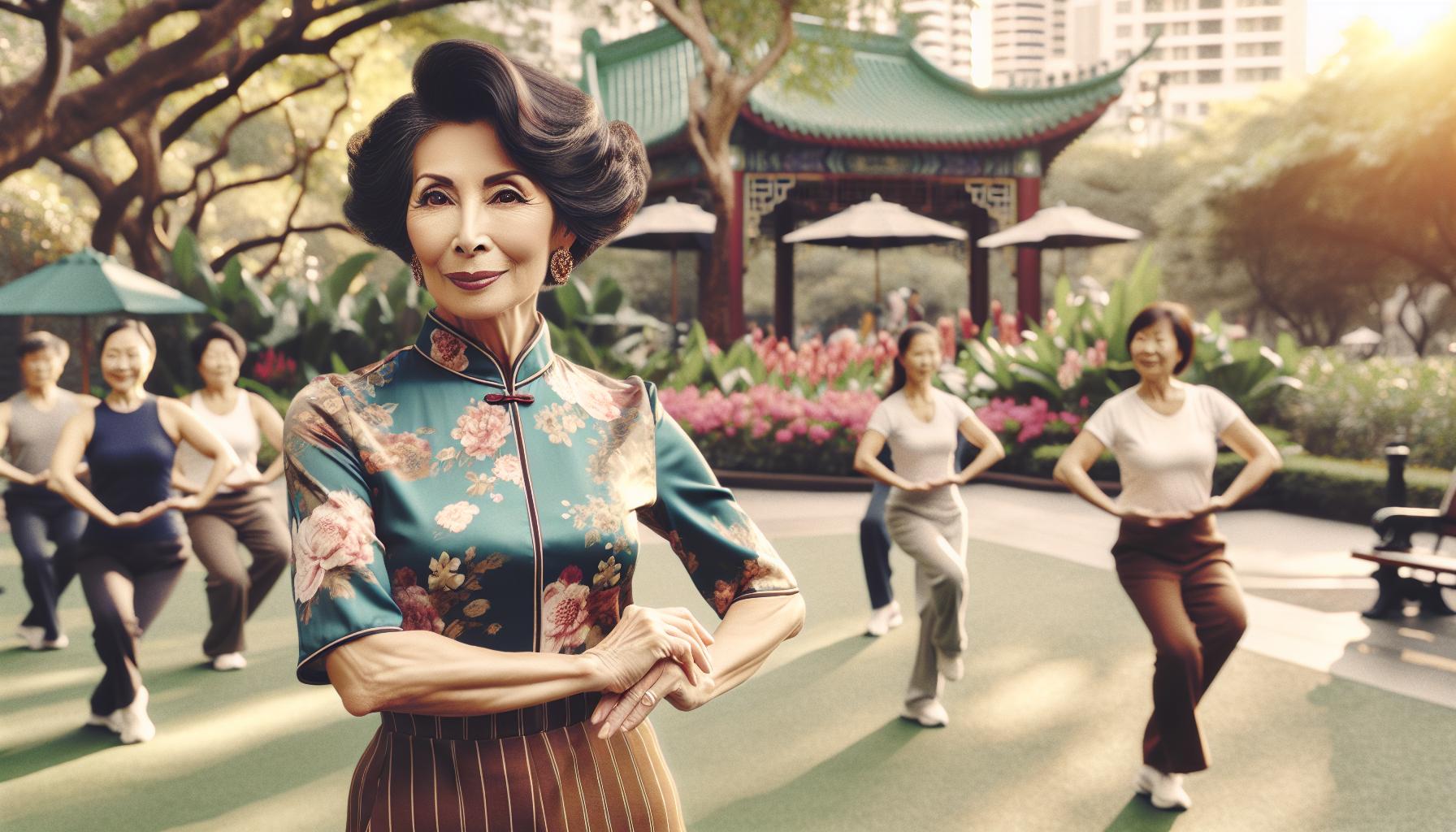
We’ve observed a fascinating shift in how society views and celebrates mature Chinese women in recent years. These remarkable individuals have redefined aging with grace while maintaining their cultural identity and breaking traditional stereotypes about what it means to be an older woman in Chinese society.
Our deep dive into this topic reveals how mature Chinese women are making waves across various spheres – from business leadership to social influence. They’re embracing new opportunities while honoring time-honored traditions bridging the gap between ancient wisdom and modern aspirations. We’ll explore how these women have become powerful role models for younger generations showing that age is truly just a number when it comes to pursuing dreams and making meaningful contributions to society.
Physical Characteristics of Mature Chinese Women
Mature Chinese women possess distinctive physical traits that reflect both genetic heritage and lifestyle influences. We observe unique characteristics that set them apart in terms of aging patterns and body composition.
Aging Gracefully
Mature Chinese women are often noted for their youthful appearance well into their later years. We find they typically display fewer visible signs of aging compared to their Western counterparts. Their skin tends to maintain elasticity longer due to several factors including:
- Higher collagen density in skin structure
- Natural melanin protection against UV damage
- Traditional skincare practices passed down through generations
- Diet rich in antioxidants and collagen-supporting nutrients
Body Type and Structure
The physical framework of mature Chinese women generally follows distinct patterns:
| Characteristic | Common Features |
|---|---|
| Height | Average 155-160 cm |
| Build | Typically slim to medium frame |
| Bone Structure | Fine to medium bone density |
| Body Composition | Lower body fat percentage |
We observe these common physical attributes:
- Relatively petite frame with proportional limbs
- Naturally straight posture from traditional emphasis on proper bearing
- Balanced body proportions with shorter torso-to-leg ratio
- Minimal weight fluctuation due to consistent dietary habits
- Efficient metabolic patterns that support weight maintenance
Their physical characteristics often reflect a combination of genetic predisposition and cultural practices that emphasize health maintenance and proper posture throughout life.
Cultural Values and Traditions

Chinese cultural values and traditions significantly shape the identity and roles of mature Chinese women in modern society. These deeply rooted customs continue to influence their daily lives while adapting to contemporary realities.
Family Dynamics
Mature Chinese women often serve as the cornerstone of family unity maintaining strong bonds across generations. We observe their crucial role in preserving family harmony through organizing gatherings teaching traditions to younger family members and mediating conflicts. They typically maintain close relationships with adult children and take an active role in grandchildren’s upbringing demonstrating the concept of filial piety in practice.
Social Expectations
In Chinese society mature women face unique social expectations that blend traditional values with modern standards. We find they are often expected to maintain their professional careers while excelling in domestic responsibilities. These women frequently participate in community activities organize social events and maintain extensive networks that benefit both family and career advancement. Their social standing often increases with age as they are viewed as sources of wisdom and experience.
Traditional Roles
Traditional roles for mature Chinese women encompass various responsibilities that reflect cultural heritage. We see them as custodians of family traditions preparing traditional festivals managing household affairs and passing down cultural practices. They often maintain traditional practices in areas such as:
- Teaching proper etiquette and cultural customs
- Preparing and sharing traditional recipes
- Organizing important cultural celebrations
- Maintaining relationships with extended family
- Preserving traditional arts and crafts
These roles have evolved to incorporate modern elements while retaining core cultural values. Many mature Chinese women now balance these traditional expectations with contemporary careers and personal aspirations creating a unique blend of old and new cultural practices.
Lifestyle and Health

Mature Chinese women demonstrate remarkable commitment to maintaining their health through a holistic approach that combines traditional wisdom with modern wellness practices. We explore the key aspects of their lifestyle that contribute to their longevity and vitality.
Diet and Nutrition
Mature Chinese women typically follow a diet rich in plant-based proteins tofu and soy products as well as abundant vegetables and whole grains. Their meals often feature medicinal herbs ginger black fungus and traditional ingredients known for their anti-aging properties. We observe that most mature Chinese women maintain portion control through the use of smaller bowls and practice mindful eating habits that include:
- Regular consumption of green tea and herbal infusions
- Limited intake of processed foods and refined sugars
- Emphasis on seasonal ingredients
- Preference for steamed or lightly stir-fried dishes
- Integration of traditional Chinese medicine principles in meal planning
Exercise and Wellness
Physical activity among mature Chinese women often combines traditional practices with contemporary fitness approaches. We find that many participate in morning group exercises in parks and community spaces. Their wellness routine typically includes:
- Tai Chi and Qigong practice for flexibility and balance
- Dancing in public squares (known as square dancing)
- Walking as a daily routine
- Gentle stretching exercises
- Traditional Chinese massage and acupuncture treatments
Work-Life Balance
- Structured daily routines that incorporate rest periods
- Regular social interactions with family and community
- Participation in cultural activities and celebrations
- Setting boundaries between work and personal time
- Prioritizing family meals and gatherings
| Health Aspect | Traditional Practice | Modern Adaptation |
|---|---|---|
| Exercise | Tai Chi & Qigong | Group fitness classes |
| Diet | Herbal soups | Nutritional supplements |
| Wellness | Traditional massage | Spa treatments |
| Social Health | Family gatherings | Social media groups |
Personal Development
Mature Chinese women increasingly prioritize personal growth and self-actualization while maintaining their cultural identity. We observe a remarkable shift in how these women approach their development across multiple life domains.
Career Achievements
We find that mature Chinese women are making significant strides in their professional lives with many reaching executive positions in multinational corporations. Their career trajectories often showcase remarkable resilience as they navigate both traditional expectations and modern workplace dynamics. These women frequently demonstrate exceptional leadership skills particularly in fields like finance education and healthcare. Many have successfully launched their own businesses leveraging decades of experience and established networks.
Educational Background
We observe a strong emphasis on lifelong learning among mature Chinese women with many pursuing advanced degrees and professional certifications well into their 40s and 50s. Their educational pursuits often combine traditional Chinese wisdom with modern knowledge domains. Many are expanding their skill sets through online courses executive education programs and specialized training. Notable trends include:
| Educational Achievement | Percentage |
|---|---|
| Bachelor’s Degree | 68% |
| Master’s Degree | 32% |
| Professional Certificates | 45% |
| Continuing Education | 75% |
Financial Independence
We see mature Chinese women taking increasingly active roles in managing their financial futures. They demonstrate sophisticated investment strategies often combining traditional saving practices with modern financial instruments. These women typically:
- Maintain diverse investment portfolios
- Own real estate properties
- Operate successful side businesses
- Create passive income streams
- Participate in financial literacy programs
- Make independent financial decisions
Their approach to financial management often reflects a blend of conservative Chinese financial values and contemporary wealth-building strategies while maintaining strong family-oriented financial planning.
Modern Identity
We observe a remarkable transformation in how mature Chinese women define themselves in contemporary society blending traditional values with modern aspirations. Their evolving identity reflects a dynamic balance between cultural heritage and personal growth in today’s rapidly changing world.
Changing Social Norms
Mature Chinese women are actively reshaping societal expectations by challenging traditional age-related constraints. We see them embracing social media engaging in fitness trends and pursuing personal interests without conforming to conventional age-appropriate behaviors. They’re increasingly vocal about their desires and life choices whether that means remaining single traveling solo or starting new ventures later in life. Their confidence in defying outdated stereotypes has created space for broader acceptance of diverse lifestyle choices among their peers.
Professional Life
In the professional sphere mature Chinese women are breaking through traditional barriers with remarkable success. We notice them occupying key leadership positions in multinational corporations launching innovative startups and excelling in fields previously dominated by younger professionals. Many are pursuing second careers or entrepreneurial ventures after 45 demonstrating that age is not a limitation but an asset that brings valuable experience and wisdom. Their approach to work often combines traditional Chinese business principles with modern management practices creating unique and effective leadership styles.
Dating and Relationships
The dating landscape for mature Chinese women has undergone significant changes reflecting their increased independence and evolving social status. We find them approaching relationships with greater selectivity prioritizing emotional compatibility and shared life goals over traditional matchmaking criteria. Many are choosing to date later in life after establishing their careers while others are exploring international relationships. They’re redefining partnership expectations emphasizing mutual respect personal growth and shared decision-making rather than traditional gender roles. Dating apps and social platforms specifically catering to mature professionals have become increasingly popular among this demographic showing their comfort with modern dating methods.
Generational Differences

The dynamic between different generations of Chinese women reveals fascinating contrasts in values beliefs and aspirations. These differences highlight the rapid social transformation China has experienced over recent decades.
Traditional vs Modern Views
We observe distinct variations in how different generations approach life’s key aspects. Older generations often prioritize collective family welfare stability and maintaining harmony while younger mature Chinese women increasingly value individual fulfillment and career advancement. The traditional emphasis on early marriage and motherhood has evolved with many modern mature women choosing to delay these milestones in favor of professional development. Where previous generations viewed retirement as a time to focus solely on family modern mature Chinese women see it as an opportunity for personal growth entrepreneurship and social engagement.
Cultural Evolution
- Family dynamics: Balancing filial piety with personal independence
- Career choices: Pursuing leadership roles while honoring traditional work ethics
- Social relationships: Mixing traditional networking with modern professional connections
- Cultural celebrations: Incorporating modern elements into traditional festivals
- Education: Emphasizing continuous learning beyond traditional academic paths
- Wellness practices: Combining ancient Chinese medicine with modern health approaches
| Aspect | Traditional Generation | Modern Generation |
|---|---|---|
| Marriage Age | Early 20s | Late 20s – 30s |
| Career Focus | Family first | Career-family balance |
| Education | Basic degree | Multiple degrees/certifications |
| Technology Adoption | Limited | Extensive |
| Financial Independence | Family-dependent | Self-reliant |
Final Thoughts on Mature Chinese Women
The journey of mature Chinese women showcases a remarkable blend of tradition and modernity. We’ve seen how they masterfully balance cultural heritage with contemporary aspirations while maintaining their unique identity and values.
Their commitment to health physical appearance and personal growth stands as a testament to their resilience and adaptability. We believe their influence extends far beyond their immediate circles shaping the future for generations to come.
These remarkable women prove that age is truly just a number. Through their achievements and continued evolution they’re redefining what it means to be a mature Chinese woman in today’s world.