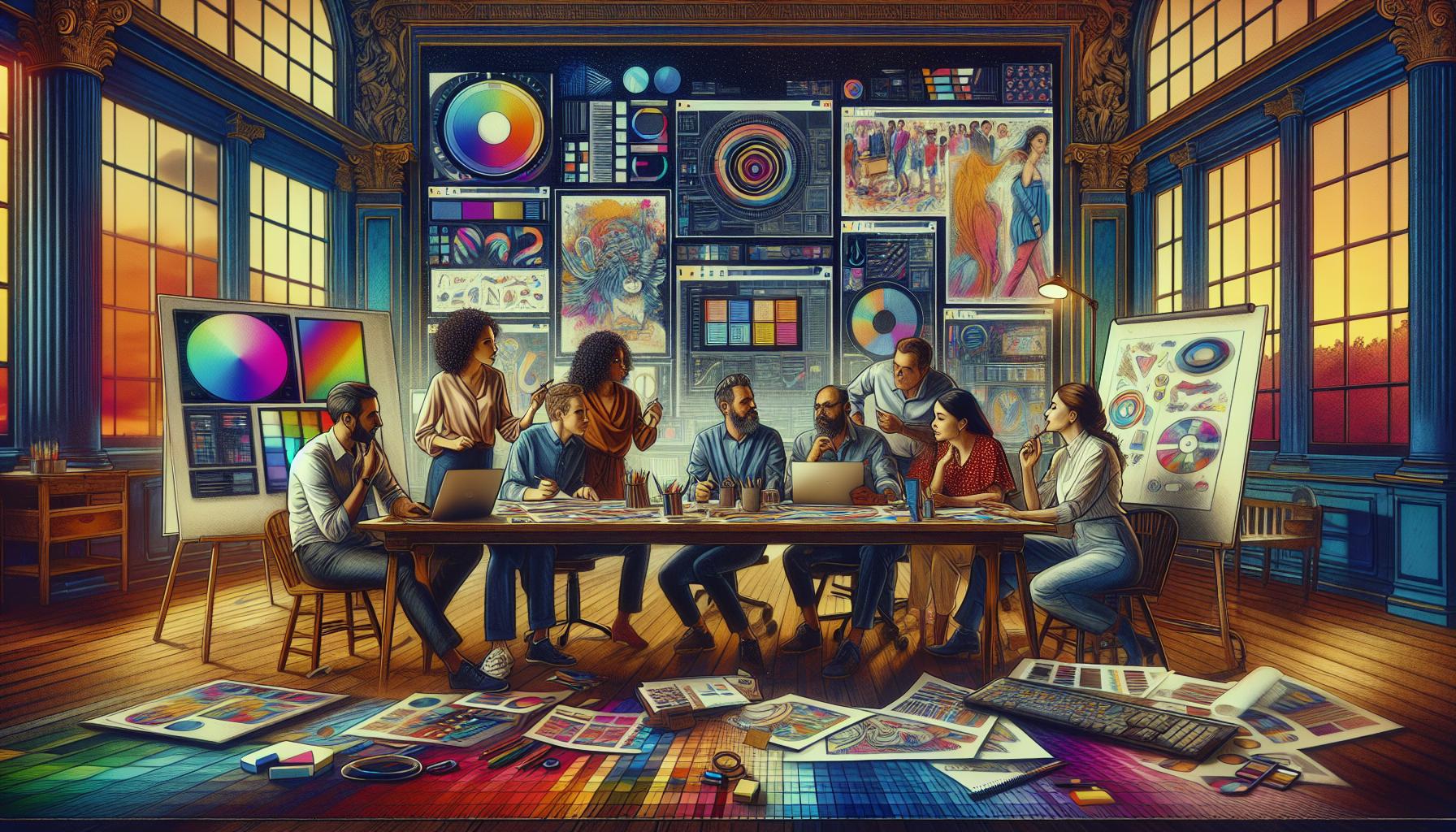

Unlocking the Power of Stock Photos: Tips for Creators and Marketers

In today’s visually driven world, stock photos have become essential for creators, marketers, and businesses alike. Whether you’re designing a website, crafting social media posts, or putting together a presentation, the right image can make all the difference. I’ve found that high-quality stock photos not only enhance the appeal of content but also convey messages more effectively.

With countless stock photo websites available, it can be overwhelming to choose the right images. I’ve navigated this landscape and discovered tips and tricks to find the perfect visuals that resonate with your audience. In this article, I’ll share insights on how to select, use, and even create stock photos that elevate your projects and capture attention. Let’s dive into the world of stock photography and unlock its potential for your creative endeavors.

What Are Stock Photos?

Stock photos are professional images available for licensing, primarily used for commercial and creative purposes. These photos serve as a resource for individuals and businesses looking to enhance their visual content without the need to hire a photographer or create images from scratch.

Definition and Overview

Stock photos refer to a wide range of images that photographers and artists upload to stock photography websites. Users can purchase licenses to use these images in various projects, including marketing materials, blogs, and social media. Stock photos offer flexibility, affordability, and a vast selection of genres, making them an essential tool for creators and marketers.

Types of Stock Photos

  • Royalty-Free Photos: Users pay a one-time fee for lifetime use without additional royalties. These photos are often the most cost-effective option.
  • Rights-Managed Photos: Licensing depends on specific usage, such as duration and geographic location. These images generally come with higher fees due to their exclusive nature.
  • Editorial Photos: These images depict real-life events or news and are meant for editorial use only. They cannot be used for commercial purposes, making them suitable for publications and blogs.
  • Microstock Photos: Affordable images available for low-cost licenses. Pricing generally ranges from $1 to $5, making them accessible for small businesses and freelancers.
  • Premium Stock Photos: High-quality images often produced by renowned photographers. Licensing these photos usually incurs higher costs due to their exclusive and artistic value.

Using stock photos allows creators to convey messages visually while saving time and resources. Understanding the various types can aid in choosing the right images for specific needs.

Benefits of Using Stock Photos

Stock photos offer significant advantages for creators, marketers, and businesses by providing high-quality visual content. Understanding these benefits enhances the effectiveness of using stock images.

Cost-Effectiveness

Stock photos eliminate the high costs associated with hiring photographers and organizing photo shoots. Purchasing a single image from a stock photo website often costs less than $50, while licensing options cater to various budgets. Many websites also offer subscription plans, allowing for access to multiple images at a reduced rate. This flexibility allows me to allocate resources efficiently and still secure professional-quality visuals.

Time-Saving

Using stock photos saves valuable time in the content creation process. Instead of waiting for a photoshoot or editing images, I can quickly search and download relevant stock photos that fit my project’s needs. Many stock photo websites feature advanced search filters and categories, making the process even easier. This efficiency enables me to focus on crafting engaging content rather than spending hours on visual production.

Popular Stock Photo Websites

Numerous stock photo websites offer a variety of options for creators and businesses. These platforms provide access to both free and paid stock photos, enabling users to find images that best suit their needs.

Free Stock Photo Resources

Many websites offer free stock photos under various licenses. These platforms include:

  • Unsplash: Provides high-quality images shared by talented photographers free of charge for both personal and commercial use.
  • Pexels: Offers a vast collection of free stock photos and videos, with user-friendly search functionality to find specific content quickly.
  • Pixabay: Allows free access to thousands of stock photos, illustrations, and vectors, all available for personal and commercial projects without attribution.

Paid Stock Photo Platforms

For those needing more exclusive or specialized content, several paid stock photo platforms exist:

  • Shutterstock: Features millions of stock photos and offers flexible subscription plans, making it suitable for businesses with ongoing image needs.
  • Adobe Stock: Integrates seamlessly with Adobe Creative Cloud, providing access to a large library of high-quality stock photos along with licensing options.
  • Getty Images: Renowned for its extensive collection of premium stock photos, this platform caters to professionals seeking high-quality visuals for marketing and advertising purposes.

Selecting the right platform depends on your specific requirements, whether budget constraints or the need for unique visuals.

Tips for Choosing the Right Stock Photos

Selecting the right stock photos significantly enhances a project’s visual impact. Considering factors like relevance, quality, and resolution can streamline the selection process.

Relevance to Your Project

Ensure stock photos closely align with your project’s theme and message. Choose images that resonate with the target audience and reflect the content’s tone. Look for visuals that enhance the narrative rather than distract from it. For instance, select images featuring authentic expressions and relatable scenarios to create a stronger connection with viewers.

Quality and Resolution

Prioritize high-quality stock photos with crisp resolution. Opt for images with at least 300 DPI (dots per inch) for print use and a minimum of 150 DPI for digital applications. Check that images appear professional and well-composed; blurred or pixelated visuals can diminish credibility. Consider the intended use, as some platforms offer varied resolutions suitable for specific formats.

Legal Considerations for Stock Photos

Using stock photos involves understanding legal frameworks and ensuring compliance with licensing requirements. Avoiding legal pitfalls ensures effective use and protection of intellectual property.

Licensing Types

Several licensing types govern the use of stock photos. Each type comes with distinct usage rights designed for various needs.

  • Royalty-Free (RF): RF licenses allow me to use stock photos without paying royalties after the initial purchase. I can use these images in multiple projects without additional fees.
  • Rights-Managed (RM): RM licensing requires me to pay based on specific usage, including duration and geographic scope. These licenses grant exclusive rights for a defined purpose, often increasing costs.
  • Editorial Use: This type of licensing allows me to use stock photos for non-commercial purposes, like news or commentary. I cannot use these images for marketing or advertising.
  • Microstock: Microstock platforms offer affordable stock photos with RF licenses, ideal for small budgets. Prices typically range from $1 to $10 per image, making it accessible for individual creators or small businesses.
  • Premium Stock: Premium stock photos feature higher quality and unique content, often with RM licenses. They typically come with higher costs, reflecting their exclusivity and quality.

Copyright Issues

Copyright laws apply to all stock photos, providing protection to creators. Understanding these laws is crucial to avoid infringement and potential legal disputes.

  • Ownership: Copyright typically belongs to the photographer or the agency that produced the stock photos. Always check who retains the rights to the imagery.
  • Usage Restrictions: Stock photo licenses outline what I can and cannot do with the images. Violating these terms can lead to legal consequences, including penalties or lawsuits.
  • Model and Property Releases: Some stock photos, especially those featuring recognizable faces or private property, require releases to protect against copyright claims. Ensuring that these releases are in place avoids potential legal issues.
  • Attribution: Certain stock photos may require attribution to the creator. Following these guidelines protects me from copyright infringement and ensures proper credit is given.

By understanding licensing types and copyright issues, I navigate the legal landscape of stock photos effectively, ensuring compliance while enriching my creative projects.

Conclusion

Stock photos are a game changer for anyone looking to elevate their visual content. They not only save time and money but also provide endless possibilities for creative expression. By understanding the different types of stock photos and their licensing options, I can make informed choices that align with my projects.

Whether I’m selecting images from free platforms or investing in premium content, the right visuals can significantly enhance my message. As I navigate the world of stock photography, I’ll keep these tips in mind to ensure my content stands out and resonates with my audience. Embracing stock photos is an essential step toward crafting compelling narratives that capture attention and drive engagement.
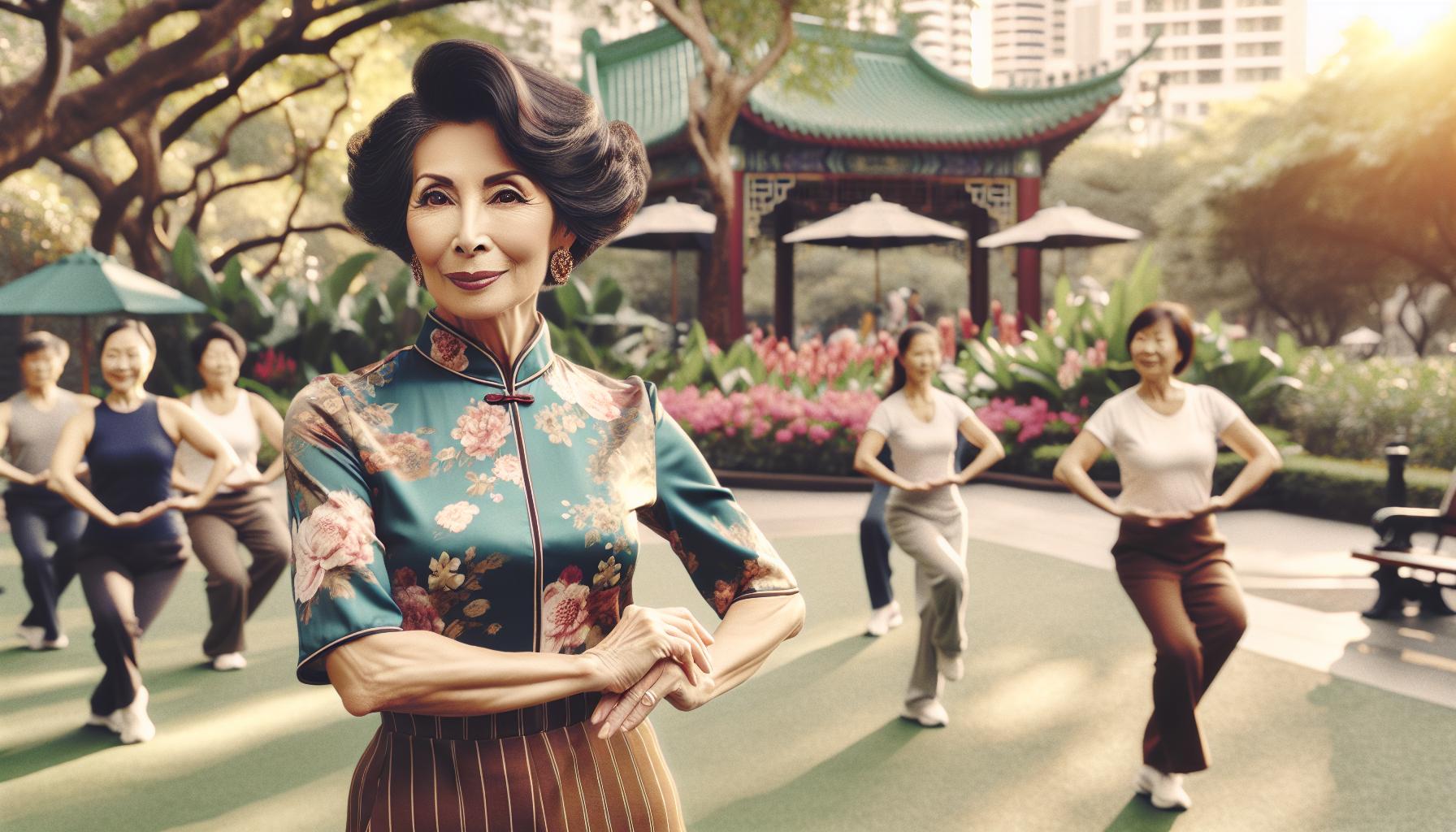
 

Modern Mature Chinese Women: Redefining Age and Success in Today’s Society

We’ve observed a fascinating shift in how society views and celebrates mature Chinese women in recent years. These remarkable individuals have redefined aging with grace while maintaining their cultural identity and breaking traditional stereotypes about what it means to be an older woman in Chinese society.

Our deep dive into this topic reveals how mature Chinese women are making waves across various spheres – from business leadership to social influence. They’re embracing new opportunities while honoring time-honored traditions bridging the gap between ancient wisdom and modern aspirations. We’ll explore how these women have become powerful role models for younger generations showing that age is truly just a number when it comes to pursuing dreams and making meaningful contributions to society.

Physical Characteristics of Mature Chinese Women

Mature Chinese women possess distinctive physical traits that reflect both genetic heritage and lifestyle influences. We observe unique characteristics that set them apart in terms of aging patterns and body composition.

Aging Gracefully

Mature Chinese women are often noted for their youthful appearance well into their later years. We find they typically display fewer visible signs of aging compared to their Western counterparts. Their skin tends to maintain elasticity longer due to several factors including:

  • Higher collagen density in skin structure
  • Natural melanin protection against UV damage
  • Traditional skincare practices passed down through generations
  • Diet rich in antioxidants and collagen-supporting nutrients

Body Type and Structure

The physical framework of mature Chinese women generally follows distinct patterns:

Characteristic Common Features
Height Average 155-160 cm
Build Typically slim to medium frame
Bone Structure Fine to medium bone density
Body Composition Lower body fat percentage

We observe these common physical attributes:

  • Relatively petite frame with proportional limbs
  • Naturally straight posture from traditional emphasis on proper bearing
  • Balanced body proportions with shorter torso-to-leg ratio
  • Minimal weight fluctuation due to consistent dietary habits
  • Efficient metabolic patterns that support weight maintenance

Their physical characteristics often reflect a combination of genetic predisposition and cultural practices that emphasize health maintenance and proper posture throughout life.

Cultural Values and Traditions

Chinese cultural values and traditions significantly shape the identity and roles of mature Chinese women in modern society. These deeply rooted customs continue to influence their daily lives while adapting to contemporary realities.

Family Dynamics

Mature Chinese women often serve as the cornerstone of family unity maintaining strong bonds across generations. We observe their crucial role in preserving family harmony through organizing gatherings teaching traditions to younger family members and mediating conflicts. They typically maintain close relationships with adult children and take an active role in grandchildren’s upbringing demonstrating the concept of filial piety in practice.

Social Expectations

In Chinese society mature women face unique social expectations that blend traditional values with modern standards. We find they are often expected to maintain their professional careers while excelling in domestic responsibilities. These women frequently participate in community activities organize social events and maintain extensive networks that benefit both family and career advancement. Their social standing often increases with age as they are viewed as sources of wisdom and experience.

Traditional Roles

Traditional roles for mature Chinese women encompass various responsibilities that reflect cultural heritage. We see them as custodians of family traditions preparing traditional festivals managing household affairs and passing down cultural practices. They often maintain traditional practices in areas such as:

  • Teaching proper etiquette and cultural customs
  • Preparing and sharing traditional recipes
  • Organizing important cultural celebrations
  • Maintaining relationships with extended family
  • Preserving traditional arts and crafts

These roles have evolved to incorporate modern elements while retaining core cultural values. Many mature Chinese women now balance these traditional expectations with contemporary careers and personal aspirations creating a unique blend of old and new cultural practices.

Lifestyle and Health

Mature Chinese women demonstrate remarkable commitment to maintaining their health through a holistic approach that combines traditional wisdom with modern wellness practices. We explore the key aspects of their lifestyle that contribute to their longevity and vitality.

Diet and Nutrition

Mature Chinese women typically follow a diet rich in plant-based proteins tofu and soy products as well as abundant vegetables and whole grains. Their meals often feature medicinal herbs ginger black fungus and traditional ingredients known for their anti-aging properties. We observe that most mature Chinese women maintain portion control through the use of smaller bowls and practice mindful eating habits that include:

  • Regular consumption of green tea and herbal infusions
  • Limited intake of processed foods and refined sugars
  • Emphasis on seasonal ingredients
  • Preference for steamed or lightly stir-fried dishes
  • Integration of traditional Chinese medicine principles in meal planning

Exercise and Wellness

Physical activity among mature Chinese women often combines traditional practices with contemporary fitness approaches. We find that many participate in morning group exercises in parks and community spaces. Their wellness routine typically includes:

  • Tai Chi and Qigong practice for flexibility and balance
  • Dancing in public squares (known as square dancing)
  • Walking as a daily routine
  • Gentle stretching exercises
  • Traditional Chinese massage and acupuncture treatments

Work-Life Balance

  • Structured daily routines that incorporate rest periods
  • Regular social interactions with family and community
  • Participation in cultural activities and celebrations
  • Setting boundaries between work and personal time
  • Prioritizing family meals and gatherings
Health Aspect Traditional Practice Modern Adaptation
Exercise Tai Chi & Qigong Group fitness classes
Diet Herbal soups Nutritional supplements
Wellness Traditional massage Spa treatments
Social Health Family gatherings Social media groups

Personal Development

Mature Chinese women increasingly prioritize personal growth and self-actualization while maintaining their cultural identity. We observe a remarkable shift in how these women approach their development across multiple life domains.

Career Achievements

We find that mature Chinese women are making significant strides in their professional lives with many reaching executive positions in multinational corporations. Their career trajectories often showcase remarkable resilience as they navigate both traditional expectations and modern workplace dynamics. These women frequently demonstrate exceptional leadership skills particularly in fields like finance education and healthcare. Many have successfully launched their own businesses leveraging decades of experience and established networks.

Educational Background

We observe a strong emphasis on lifelong learning among mature Chinese women with many pursuing advanced degrees and professional certifications well into their 40s and 50s. Their educational pursuits often combine traditional Chinese wisdom with modern knowledge domains. Many are expanding their skill sets through online courses executive education programs and specialized training. Notable trends include:

Educational Achievement Percentage
Bachelor’s Degree 68%
Master’s Degree 32%
Professional Certificates 45%
Continuing Education 75%

Financial Independence

We see mature Chinese women taking increasingly active roles in managing their financial futures. They demonstrate sophisticated investment strategies often combining traditional saving practices with modern financial instruments. These women typically:

  • Maintain diverse investment portfolios
  • Own real estate properties
  • Operate successful side businesses
  • Create passive income streams
  • Participate in financial literacy programs
  • Make independent financial decisions

Their approach to financial management often reflects a blend of conservative Chinese financial values and contemporary wealth-building strategies while maintaining strong family-oriented financial planning.

Modern Identity

We observe a remarkable transformation in how mature Chinese women define themselves in contemporary society blending traditional values with modern aspirations. Their evolving identity reflects a dynamic balance between cultural heritage and personal growth in today’s rapidly changing world.

Changing Social Norms

Mature Chinese women are actively reshaping societal expectations by challenging traditional age-related constraints. We see them embracing social media engaging in fitness trends and pursuing personal interests without conforming to conventional age-appropriate behaviors. They’re increasingly vocal about their desires and life choices whether that means remaining single traveling solo or starting new ventures later in life. Their confidence in defying outdated stereotypes has created space for broader acceptance of diverse lifestyle choices among their peers.

Professional Life

In the professional sphere mature Chinese women are breaking through traditional barriers with remarkable success. We notice them occupying key leadership positions in multinational corporations launching innovative startups and excelling in fields previously dominated by younger professionals. Many are pursuing second careers or entrepreneurial ventures after 45 demonstrating that age is not a limitation but an asset that brings valuable experience and wisdom. Their approach to work often combines traditional Chinese business principles with modern management practices creating unique and effective leadership styles.

Dating and Relationships

The dating landscape for mature Chinese women has undergone significant changes reflecting their increased independence and evolving social status. We find them approaching relationships with greater selectivity prioritizing emotional compatibility and shared life goals over traditional matchmaking criteria. Many are choosing to date later in life after establishing their careers while others are exploring international relationships. They’re redefining partnership expectations emphasizing mutual respect personal growth and shared decision-making rather than traditional gender roles. Dating apps and social platforms specifically catering to mature professionals have become increasingly popular among this demographic showing their comfort with modern dating methods.

Generational Differences

The dynamic between different generations of Chinese women reveals fascinating contrasts in values beliefs and aspirations. These differences highlight the rapid social transformation China has experienced over recent decades.

Traditional vs Modern Views

We observe distinct variations in how different generations approach life’s key aspects. Older generations often prioritize collective family welfare stability and maintaining harmony while younger mature Chinese women increasingly value individual fulfillment and career advancement. The traditional emphasis on early marriage and motherhood has evolved with many modern mature women choosing to delay these milestones in favor of professional development. Where previous generations viewed retirement as a time to focus solely on family modern mature Chinese women see it as an opportunity for personal growth entrepreneurship and social engagement.

Cultural Evolution

  • Family dynamics: Balancing filial piety with personal independence
  • Career choices: Pursuing leadership roles while honoring traditional work ethics
  • Social relationships: Mixing traditional networking with modern professional connections
  • Cultural celebrations: Incorporating modern elements into traditional festivals
  • Education: Emphasizing continuous learning beyond traditional academic paths
  • Wellness practices: Combining ancient Chinese medicine with modern health approaches
Aspect Traditional Generation Modern Generation
Marriage Age Early 20s Late 20s – 30s
Career Focus Family first Career-family balance
Education Basic degree Multiple degrees/certifications
Technology Adoption Limited Extensive
Financial Independence Family-dependent Self-reliant

Final Thoughts on Mature Chinese Women

The journey of mature Chinese women showcases a remarkable blend of tradition and modernity. We’ve seen how they masterfully balance cultural heritage with contemporary aspirations while maintaining their unique identity and values.

Their commitment to health physical appearance and personal growth stands as a testament to their resilience and adaptability. We believe their influence extends far beyond their immediate circles shaping the future for generations to come.

These remarkable women prove that age is truly just a number. Through their achievements and continued evolution they’re redefining what it means to be a mature Chinese woman in today’s world.


10 Best Graphic Design Sites for Professionals in 2025: The Ultimate Guide

We’ve all been there – searching endlessly for the perfect graphic design resources to bring our creative visions to life. Whether you’re a professional designer or just starting your journey in the visual arts world, finding reliable and high-quality design assets is crucial for success.

In today’s digital landscape, countless websites offer graphic design resources, templates, and tools. However, not all platforms deliver the same value or quality. We’ll help you navigate through the top graphic design sites that consistently prove their worth through extensive features, user-friendly interfaces, and comprehensive resource libraries that cater to various design needs.

Top Graphic Design Websites for Professionals

Professional graphic designers rely on robust platforms that offer comprehensive design tools, resources and collaboration features. Here’s an analysis of the leading graphic design websites that deliver exceptional value.

Adobe Creative Cloud

Adobe Creative Cloud stands as the industry standard for professional graphic design, offering 20+ integrated applications. The platform provides access to Photoshop, Illustrator, InDesign and Adobe Stock’s extensive library of assets. Creative Cloud’s subscription includes:

  • Real-time cloud collaboration tools for team projects
  • 100GB+ cloud storage for design files
  • Integration with mobile apps for designing on-the-go
  • Regular software updates with new features

Canva

Canva combines professional design capabilities with an intuitive interface, serving 75+ million users worldwide. The platform features:

  • 500,000+ customizable templates for various design needs
  • Brand kit tools for consistent visual identity
  • Built-in photo editor with professional filters
  • Team collaboration features with shared folders
  • Free version available with basic design tools
  • Real-time collaboration with multiple designers
  • Interactive prototyping tools
  • Built-in version history tracking
  • Design system creation features
  • Component libraries for consistent designs
Platform Free Version Pro Plan Starting Price Cloud Storage
Adobe CC 7-day trial $52.99/month 100GB
Canva Yes $12.99/month 1TB
Figma Yes $15/user/month Unlimited

Free Online Graphic Design Tools

Free online graphic design tools provide professional-grade features without the cost barriers of premium software. These platforms enable creators to produce high-quality designs through web browsers.

Pixlr

Pixlr offers two web-based photo editors: Pixlr E for advanced editing and Pixlr X for quick touch-ups. The platform includes:

  • 2 million+ ready-to-use effects filters
  • Layer management with professional editing capabilities
  • AI-powered background removal tool
  • 18,000+ templates for social media graphics
  • Cloud storage integration with Google Drive Dropbox
  • Full-featured photo retouching tools
  • Original graphic design elements creation
  • Custom brushes interface for detailed artwork
  • Multiple file format support including PSD
  • Cross-platform compatibility for Windows Mac Linux
Feature Comparison Pixlr GIMP
Storage Limit 1GB None
Formats Supported 15+ 40+
Mobile Support Yes No
Offline Access No Yes
Learning Curve Low High

Stock Image and Vector Resources

Stock image platforms provide extensive libraries of professional visuals essential for graphic design projects. These resources offer both free and premium options with diverse licensing terms.

Shutterstock

Shutterstock ranks among the best graphic sites with over 400 million images vectors videos in its library. The platform features:

  • AI-powered search tools for precise asset discovery
  • Flexible pricing plans starting at $49 monthly for 10 downloads
  • 4K resolution videos footage with commercial licensing
  • Customizable image collections for team sharing
  • Integrated plugins for Adobe Creative Suite programs

Key features of their asset library include:

Asset Type Available Items
Photos 250M+
Vectors 50M+
Videos 28M+
Music Tracks 2M+

Freepik

Freepik combines free graphic resources with premium content in an accessible platform. The site offers:

  • 12 million free vectors graphics with attribution
  • Premium plans starting at $10 monthly for unlimited downloads
  • Exclusive content for premium subscribers
  • Built-in editor for quick graphic customization
  • Commercial license options for business use

Resource categories include:

Content Type Free Items Premium Items
Vectors 4M+ 8M+
Photos 2M+ 5M+
PSD Files 500K+ 1M+
Icons 300K+ 800K+

Both platforms integrate seamlessly with major design software providing high-quality assets for professional projects. Their extensive libraries include regularly updated content across multiple categories meeting diverse design needs.

Typography and Font Websites

Typography forms a crucial element of graphic design, providing essential resources for creating visually appealing projects. Here are two leading font websites that offer extensive typography options for designers.

Google Fonts

Google Fonts serves as a comprehensive typography resource, offering 1,400+ free font families optimized for the web. The platform features advanced filtering options that sort fonts by categories including serif, sans-serif, display, handwriting, monospace. Each font includes multiple weights, styles, language support indicators, live previews, and usage analytics. The API integration allows seamless embedding into websites with minimal load times.

Google Fonts Features Details
Number of Font Families 1,400+
File Formats TTF, WOFF2
Languages Supported 150+
Load Speed 0.3s average

DaFont

DaFont maintains a vast collection of 73,000+ downloadable fonts, categorized into 64 distinct style categories. The platform offers both free and premium typefaces, with clear licensing information for commercial use. Users access instant font previews, custom text testing, popularity rankings. DaFont includes specialized categories like pixel fonts, cartoon styles, calligraphy options, supporting diverse graphic design requirements.

DaFont Features Details
Font Collection 73,000+
Style Categories 64
File Formats OTF, TTF
Preview Options Custom text, size adjustment

Design Inspiration Platforms

Design inspiration platforms showcase creative work across multiple disciplines including graphic design web design motion graphics. These platforms connect designers with innovative projects provide fresh perspectives for creative development.

Behance

Adobe’s Behance network features over 31 million creative projects from professional designers worldwide. The platform includes:

  • Advanced search filters for specific design categories logos illustrations UI/UX
  • Curated galleries highlighting trending projects design trends
  • Live streaming sessions with professional designers creative tutorials
  • Project collaboration tools team workspaces
  • Integration with Adobe Creative Cloud for seamless workflow
Behance Statistics Numbers
Monthly Active Users 10M+
Projects Showcased 31M+
Creative Fields 67+
Countries Represented 172

Dribbble

Dribbble serves as a premier showcase platform for designers focusing on digital artwork UI elements brand designs. Key features include:

  • Shot collections organizing design work by themes categories
  • Color palette exploration tools design system libraries
  • Job board connecting designers with opportunities
  • Pro features for detailed analytics portfolio websites
  • Plugin integration with popular design tools
Dribbble Metrics Data
Designer Community 3M+
Creative Projects 18M+
Available Jobs 8K+
Design Categories 50+
  1. Organized design collections for quick inspiration
  2. Direct feedback from professional designers
  3. Project case studies with detailed design processes
  4. Resource downloads for design elements templates

Best Practices for Choosing a Graphic Design Site

Evaluate Core Features

  • Compare built-in design tools: template editors, layer management systems fonts libraries
  • Examine asset libraries: stock images vectors illustrations icons
  • Verify file format compatibility with standard design programs
  • Check export options: PNG, JPG, SVG, PDF resolutions

Assess Technical Requirements

  • Review software compatibility with operating systems
  • Check browser requirements for web-based platforms
  • Verify storage limits cloud sync capabilities
  • Confirm bandwidth specifications upload download speeds

Consider Pricing Structure

Plan Type Common Features Average Cost Range
Free Tier Basic tools templates limited assets $0
Premium Advanced features full library access $10-30/month
Professional Team collaboration custom branding $30-100/month
Enterprise API access dedicated support Custom pricing

Review Learning Resources

  • Look for integrated tutorials video guides
  • Check documentation comprehensiveness
  • Explore community forums support channels
  • Verify availability of live chat email support

Examine Collaboration Features

  • Test real-time editing capabilities
  • Review team permission settings
  • Check version control systems
  • Validate feedback annotation tools

Verify Resource Updates

  • Monitor content library refresh rates
  • Check template addition frequency
  • Review software update schedules
  • Assess new feature implementation rates

Analyze Performance Metrics

  • Test loading speeds across devices
  • Check platform uptime statistics
  • Verify rendering capabilities
  • Review autosave backup features
  • Check plugin availability for design software
  • Review API documentation flexibility
  • Test social media platform connections
  • Verify third-party tool compatibility

These practices focus on selecting the optimal graphic design site based on specific project requirements technical capabilities. Following these guidelines helps identify platforms that align with design workflow needs resource demands.

Conclusion

Choosing the right graphic design platform can significantly impact our creative workflow and project outcomes. We’ve explored various platforms that cater to different needs from professional design suites to free alternatives. Whether we’re looking for comprehensive tools like Adobe Creative Cloud powerful collaboration features in Figma or user-friendly interfaces in Canva there’s a solution for every design requirement.

By considering factors like built-in tools pricing structures and resource availability we can make informed decisions that align with our creative goals. Remember that the best platform isn’t always the most expensive or feature-rich but the one that best serves our specific design needs and workflow preferences.