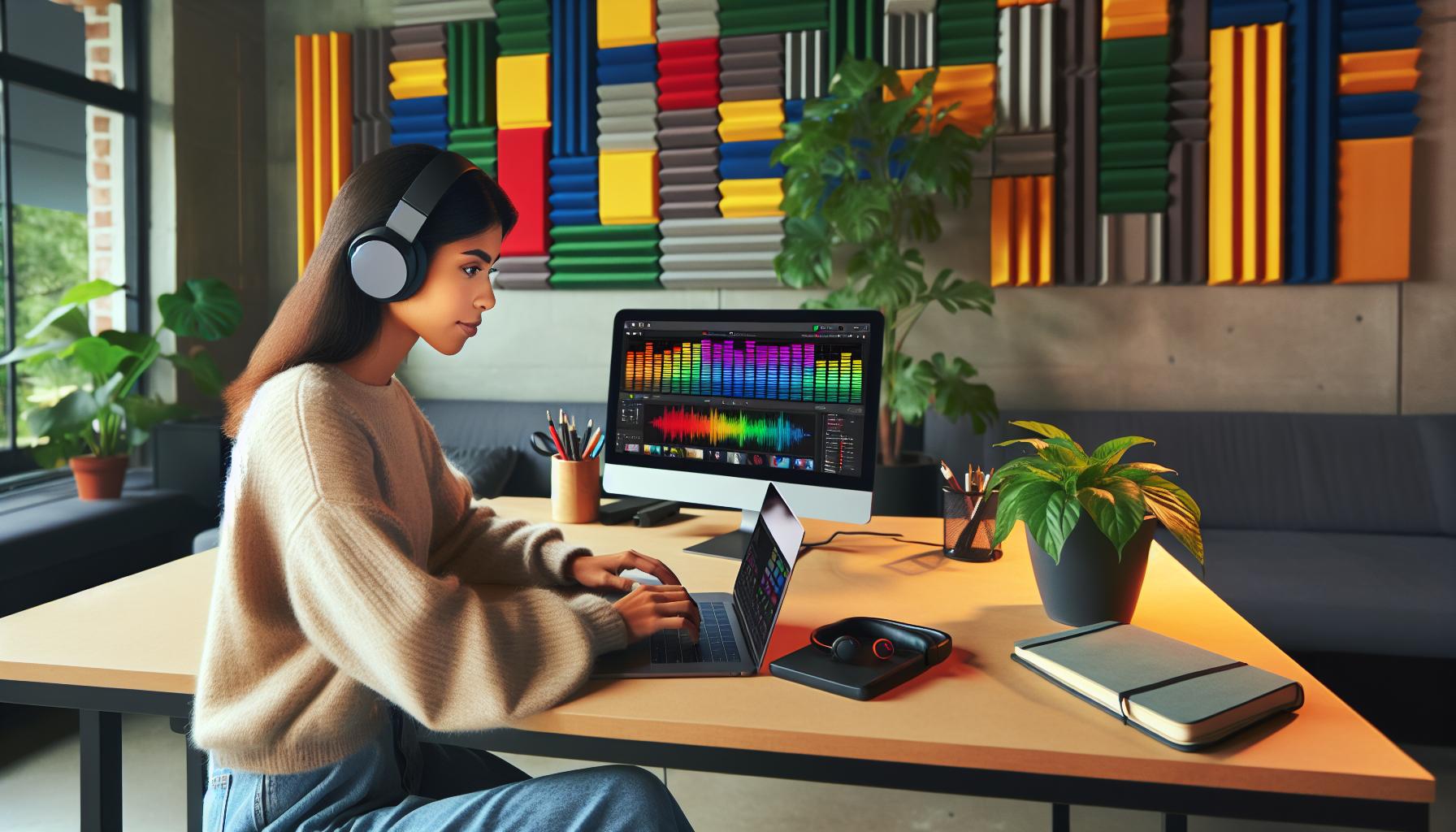
When producing video content for clients, the soundtrack is often the “secret sauce” that elevates a project from amateur to professional. However, the legalities of music licensing can be a minefield for creators. Using a copyrighted track without the proper permissions doesn’t just risk a takedown notice—it can land your client in legal trouble and damage your professional reputation.
Understanding how royalty-free music works is essential for any editor or agency looking to deliver high-quality, “legal-ready” assets.
What Does “Royalty-Free” Actually Mean?
A common misconception is that royalty-free means “free of cost.” In reality, royalty-free refers to a type of licensing where you pay a one-time fee (or a subscription) to use a track as many times as you want without paying ongoing “royalties” to the creator every time the video is viewed.
For client work, this is a massive advantage. It allows you to provide a finished product with a predictable cost, ensuring your client won’t be surprised by recurring invoices years after the project has wrapped.
Single-Use vs. Multi-Client Subscriptions
Most royalty-free platforms offer two primary ways to license music:
Single-Use Licenses: Best for one-off projects. You purchase the rights for a specific track for a specific video.
Subscription Models: Platforms like Epidemic Sound or Artlist allow you to download unlimited tracks. However, you must ensure the license covers “commercial” or “client” work. Some basic tiers only cover your personal YouTube channel; if you are getting paid to make the video, you usually need a “Pro” or “Commercial” plan that allows you to clear the license for a third party.
Ensuring Your Client is Protected
When you deliver a video, the license must be transferred to or “cleared” for the client. Most modern platforms handle this through a “Clearance” or “Invite” system. You simply add the client’s video URL to the platform’s whitelist, which prevents automated systems like YouTube’s Content ID from flagging the video for copyright infringement.
Always provide your client with a PDF copy of the license agreement. This transparency builds trust and serves as a digital paper trail if a manual claim ever arises.
Finding Resources: Footage Sites for Free
While music is a primary concern, many editors are also looking for visual assets. Many Footage Sites for Free or low-cost stock platforms often bundle music and video together. When using these sites, be extra vigilant about “Creative Commons” designations. A “CC-BY” license requires you to give credit to the artist in the video description, which may not always be acceptable for a high-end corporate client.
Summary of Best Practices
Verify the Scope: Ensure the license covers the specific platform where the video will live (e.g., social media vs. television).
Check the Territory: Most royalty-free licenses are worldwide, but always double-check if your client operates internationally.
Document Everything: Keep a folder for every project containing the music certificates and licensing terms.
By mastering the nuances of royalty-free licensing, you protect your business, your client’s brand, and the hard work of the musicians who help bring your visuals to life.
Would you like me to create a checklist of specific clauses you should look for in a music license agreement?
In today’s visually driven world, stock photos have become essential for creators, marketers, and businesses alike. Whether you’re designing a website, crafting social media posts, or putting together a presentation, the right image can make all the difference. I’ve found that high-quality stock photos not only enhance the appeal of content but also convey messages more effectively.
With countless stock photo websites available, it can be overwhelming to choose the right images. I’ve navigated this landscape and discovered tips and tricks to find the perfect visuals that resonate with your audience. In this article, I’ll share insights on how to select, use, and even create stock photos that elevate your projects and capture attention. Let’s dive into the world of stock photography and unlock its potential for your creative endeavors.
What Are Stock Photos?
Stock photos are professional images available for licensing, primarily used for commercial and creative purposes. These photos serve as a resource for individuals and businesses looking to enhance their visual content without the need to hire a photographer or create images from scratch.
Definition and Overview
Stock photos refer to a wide range of images that photographers and artists upload to stock photography websites. Users can purchase licenses to use these images in various projects, including marketing materials, blogs, and social media. Stock photos offer flexibility, affordability, and a vast selection of genres, making them an essential tool for creators and marketers.
Types of Stock Photos
Royalty-Free Photos: Users pay a one-time fee for lifetime use without additional royalties. These photos are often the most cost-effective option.
Rights-Managed Photos: Licensing depends on specific usage, such as duration and geographic location. These images generally come with higher fees due to their exclusive nature.
Editorial Photos: These images depict real-life events or news and are meant for editorial use only. They cannot be used for commercial purposes, making them suitable for publications and blogs.
Microstock Photos: Affordable images available for low-cost licenses. Pricing generally ranges from $1 to $5, making them accessible for small businesses and freelancers.
Premium Stock Photos: High-quality images often produced by renowned photographers. Licensing these photos usually incurs higher costs due to their exclusive and artistic value.
Using stock photos allows creators to convey messages visually while saving time and resources. Understanding the various types can aid in choosing the right images for specific needs.
Benefits of Using Stock Photos
Stock photos offer significant advantages for creators, marketers, and businesses by providing high-quality visual content. Understanding these benefits enhances the effectiveness of using stock images.
Cost-Effectiveness
Stock photos eliminate the high costs associated with hiring photographers and organizing photo shoots. Purchasing a single image from a stock photo website often costs less than $50, while licensing options cater to various budgets. Many websites also offer subscription plans, allowing for access to multiple images at a reduced rate. This flexibility allows me to allocate resources efficiently and still secure professional-quality visuals.
Time-Saving
Using stock photos saves valuable time in the content creation process. Instead of waiting for a photoshoot or editing images, I can quickly search and download relevant stock photos that fit my project’s needs. Many stock photo websites feature advanced search filters and categories, making the process even easier. This efficiency enables me to focus on crafting engaging content rather than spending hours on visual production.
Popular Stock Photo Websites
Numerous stock photo websites offer a variety of options for creators and businesses. These platforms provide access to both free and paid stock photos, enabling users to find images that best suit their needs.
Free Stock Photo Resources
Many websites offer free stock photos under various licenses. These platforms include:
Unsplash: Provides high-quality images shared by talented photographers free of charge for both personal and commercial use.
Pexels: Offers a vast collection of free stock photos and videos, with user-friendly search functionality to find specific content quickly.
Pixabay: Allows free access to thousands of stock photos, illustrations, and vectors, all available for personal and commercial projects without attribution.
Paid Stock Photo Platforms
For those needing more exclusive or specialized content, several paid stock photo platforms exist:
Shutterstock: Features millions of stock photos and offers flexible subscription plans, making it suitable for businesses with ongoing image needs.
Adobe Stock: Integrates seamlessly with Adobe Creative Cloud, providing access to a large library of high-quality stock photos along with licensing options.
Getty Images: Renowned for its extensive collection of premium stock photos, this platform caters to professionals seeking high-quality visuals for marketing and advertising purposes.
Selecting the right platform depends on your specific requirements, whether budget constraints or the need for unique visuals.
Tips for Choosing the Right Stock Photos
Selecting the right stock photos significantly enhances a project’s visual impact. Considering factors like relevance, quality, and resolution can streamline the selection process.
Relevance to Your Project
Ensure stock photos closely align with your project’s theme and message. Choose images that resonate with the target audience and reflect the content’s tone. Look for visuals that enhance the narrative rather than distract from it. For instance, select images featuring authentic expressions and relatable scenarios to create a stronger connection with viewers.
Quality and Resolution
Prioritize high-quality stock photos with crisp resolution. Opt for images with at least 300 DPI (dots per inch) for print use and a minimum of 150 DPI for digital applications. Check that images appear professional and well-composed; blurred or pixelated visuals can diminish credibility. Consider the intended use, as some platforms offer varied resolutions suitable for specific formats.
Legal Considerations for Stock Photos
Using stock photos involves understanding legal frameworks and ensuring compliance with licensing requirements. Avoiding legal pitfalls ensures effective use and protection of intellectual property.
Licensing Types
Several licensing types govern the use of stock photos. Each type comes with distinct usage rights designed for various needs.
Royalty-Free (RF): RF licenses allow me to use stock photos without paying royalties after the initial purchase. I can use these images in multiple projects without additional fees.
Rights-Managed (RM): RM licensing requires me to pay based on specific usage, including duration and geographic scope. These licenses grant exclusive rights for a defined purpose, often increasing costs.
Editorial Use: This type of licensing allows me to use stock photos for non-commercial purposes, like news or commentary. I cannot use these images for marketing or advertising.
Microstock: Microstock platforms offer affordable stock photos with RF licenses, ideal for small budgets. Prices typically range from $1 to $10 per image, making it accessible for individual creators or small businesses.
Premium Stock: Premium stock photos feature higher quality and unique content, often with RM licenses. They typically come with higher costs, reflecting their exclusivity and quality.
Copyright Issues
Copyright laws apply to all stock photos, providing protection to creators. Understanding these laws is crucial to avoid infringement and potential legal disputes.
Ownership: Copyright typically belongs to the photographer or the agency that produced the stock photos. Always check who retains the rights to the imagery.
Usage Restrictions: Stock photo licenses outline what I can and cannot do with the images. Violating these terms can lead to legal consequences, including penalties or lawsuits.
Model and Property Releases: Some stock photos, especially those featuring recognizable faces or private property, require releases to protect against copyright claims. Ensuring that these releases are in place avoids potential legal issues.
Attribution: Certain stock photos may require attribution to the creator. Following these guidelines protects me from copyright infringement and ensures proper credit is given.
By understanding licensing types and copyright issues, I navigate the legal landscape of stock photos effectively, ensuring compliance while enriching my creative projects.
Conclusion
Stock photos are a game changer for anyone looking to elevate their visual content. They not only save time and money but also provide endless possibilities for creative expression. By understanding the different types of stock photos and their licensing options, I can make informed choices that align with my projects.
Whether I’m selecting images from free platforms or investing in premium content, the right visuals can significantly enhance my message. As I navigate the world of stock photography, I’ll keep these tips in mind to ensure my content stands out and resonates with my audience. Embracing stock photos is an essential step toward crafting compelling narratives that capture attention and drive engagement.
We’ve observed a fascinating shift in how society views and celebrates mature Chinese women in recent years. These remarkable individuals have redefined aging with grace while maintaining their cultural identity and breaking traditional stereotypes about what it means to be an older woman in Chinese society.
Our deep dive into this topic reveals how mature Chinese women are making waves across various spheres – from business leadership to social influence. They’re embracing new opportunities while honoring time-honored traditions bridging the gap between ancient wisdom and modern aspirations. We’ll explore how these women have become powerful role models for younger generations showing that age is truly just a number when it comes to pursuing dreams and making meaningful contributions to society.
Physical Characteristics of Mature Chinese Women
Mature Chinese women possess distinctive physical traits that reflect both genetic heritage and lifestyle influences. We observe unique characteristics that set them apart in terms of aging patterns and body composition.
Aging Gracefully
Mature Chinese women are often noted for their youthful appearance well into their later years. We find they typically display fewer visible signs of aging compared to their Western counterparts. Their skin tends to maintain elasticity longer due to several factors including:
Higher collagen density in skin structure
Natural melanin protection against UV damage
Traditional skincare practices passed down through generations
Diet rich in antioxidants and collagen-supporting nutrients
Body Type and Structure
The physical framework of mature Chinese women generally follows distinct patterns:
Characteristic
Common Features
Height
Average 155-160 cm
Build
Typically slim to medium frame
Bone Structure
Fine to medium bone density
Body Composition
Lower body fat percentage
We observe these common physical attributes:
Relatively petite frame with proportional limbs
Naturally straight posture from traditional emphasis on proper bearing
Balanced body proportions with shorter torso-to-leg ratio
Minimal weight fluctuation due to consistent dietary habits
Efficient metabolic patterns that support weight maintenance
Their physical characteristics often reflect a combination of genetic predisposition and cultural practices that emphasize health maintenance and proper posture throughout life.
Cultural Values and Traditions
Chinese cultural values and traditions significantly shape the identity and roles of mature Chinese women in modern society. These deeply rooted customs continue to influence their daily lives while adapting to contemporary realities.
Family Dynamics
Mature Chinese women often serve as the cornerstone of family unity maintaining strong bonds across generations. We observe their crucial role in preserving family harmony through organizing gatherings teaching traditions to younger family members and mediating conflicts. They typically maintain close relationships with adult children and take an active role in grandchildren’s upbringing demonstrating the concept of filial piety in practice.
Social Expectations
In Chinese society mature women face unique social expectations that blend traditional values with modern standards. We find they are often expected to maintain their professional careers while excelling in domestic responsibilities. These women frequently participate in community activities organize social events and maintain extensive networks that benefit both family and career advancement. Their social standing often increases with age as they are viewed as sources of wisdom and experience.
Traditional Roles
Traditional roles for mature Chinese women encompass various responsibilities that reflect cultural heritage. We see them as custodians of family traditions preparing traditional festivals managing household affairs and passing down cultural practices. They often maintain traditional practices in areas such as:
Teaching proper etiquette and cultural customs
Preparing and sharing traditional recipes
Organizing important cultural celebrations
Maintaining relationships with extended family
Preserving traditional arts and crafts
These roles have evolved to incorporate modern elements while retaining core cultural values. Many mature Chinese women now balance these traditional expectations with contemporary careers and personal aspirations creating a unique blend of old and new cultural practices.
Lifestyle and Health
Mature Chinese women demonstrate remarkable commitment to maintaining their health through a holistic approach that combines traditional wisdom with modern wellness practices. We explore the key aspects of their lifestyle that contribute to their longevity and vitality.
Diet and Nutrition
Mature Chinese women typically follow a diet rich in plant-based proteins tofu and soy products as well as abundant vegetables and whole grains. Their meals often feature medicinal herbs ginger black fungus and traditional ingredients known for their anti-aging properties. We observe that most mature Chinese women maintain portion control through the use of smaller bowls and practice mindful eating habits that include:
Regular consumption of green tea and herbal infusions
Limited intake of processed foods and refined sugars
Emphasis on seasonal ingredients
Preference for steamed or lightly stir-fried dishes
Integration of traditional Chinese medicine principles in meal planning
Exercise and Wellness
Physical activity among mature Chinese women often combines traditional practices with contemporary fitness approaches. We find that many participate in morning group exercises in parks and community spaces. Their wellness routine typically includes:
Tai Chi and Qigong practice for flexibility and balance
Dancing in public squares (known as square dancing)
Walking as a daily routine
Gentle stretching exercises
Traditional Chinese massage and acupuncture treatments
Work-Life Balance
Structured daily routines that incorporate rest periods
Regular social interactions with family and community
Participation in cultural activities and celebrations
Setting boundaries between work and personal time
Prioritizing family meals and gatherings
Health Aspect
Traditional Practice
Modern Adaptation
Exercise
Tai Chi & Qigong
Group fitness classes
Diet
Herbal soups
Nutritional supplements
Wellness
Traditional massage
Spa treatments
Social Health
Family gatherings
Social media groups
Personal Development
Mature Chinese women increasingly prioritize personal growth and self-actualization while maintaining their cultural identity. We observe a remarkable shift in how these women approach their development across multiple life domains.
Career Achievements
We find that mature Chinese women are making significant strides in their professional lives with many reaching executive positions in multinational corporations. Their career trajectories often showcase remarkable resilience as they navigate both traditional expectations and modern workplace dynamics. These women frequently demonstrate exceptional leadership skills particularly in fields like finance education and healthcare. Many have successfully launched their own businesses leveraging decades of experience and established networks.
Educational Background
We observe a strong emphasis on lifelong learning among mature Chinese women with many pursuing advanced degrees and professional certifications well into their 40s and 50s. Their educational pursuits often combine traditional Chinese wisdom with modern knowledge domains. Many are expanding their skill sets through online courses executive education programs and specialized training. Notable trends include:
Educational Achievement
Percentage
Bachelor’s Degree
68%
Master’s Degree
32%
Professional Certificates
45%
Continuing Education
75%
Financial Independence
We see mature Chinese women taking increasingly active roles in managing their financial futures. They demonstrate sophisticated investment strategies often combining traditional saving practices with modern financial instruments. These women typically:
Maintain diverse investment portfolios
Own real estate properties
Operate successful side businesses
Create passive income streams
Participate in financial literacy programs
Make independent financial decisions
Their approach to financial management often reflects a blend of conservative Chinese financial values and contemporary wealth-building strategies while maintaining strong family-oriented financial planning.
Modern Identity
We observe a remarkable transformation in how mature Chinese women define themselves in contemporary society blending traditional values with modern aspirations. Their evolving identity reflects a dynamic balance between cultural heritage and personal growth in today’s rapidly changing world.
Changing Social Norms
Mature Chinese women are actively reshaping societal expectations by challenging traditional age-related constraints. We see them embracing social media engaging in fitness trends and pursuing personal interests without conforming to conventional age-appropriate behaviors. They’re increasingly vocal about their desires and life choices whether that means remaining single traveling solo or starting new ventures later in life. Their confidence in defying outdated stereotypes has created space for broader acceptance of diverse lifestyle choices among their peers.
Professional Life
In the professional sphere mature Chinese women are breaking through traditional barriers with remarkable success. We notice them occupying key leadership positions in multinational corporations launching innovative startups and excelling in fields previously dominated by younger professionals. Many are pursuing second careers or entrepreneurial ventures after 45 demonstrating that age is not a limitation but an asset that brings valuable experience and wisdom. Their approach to work often combines traditional Chinese business principles with modern management practices creating unique and effective leadership styles.
Dating and Relationships
The dating landscape for mature Chinese women has undergone significant changes reflecting their increased independence and evolving social status. We find them approaching relationships with greater selectivity prioritizing emotional compatibility and shared life goals over traditional matchmaking criteria. Many are choosing to date later in life after establishing their careers while others are exploring international relationships. They’re redefining partnership expectations emphasizing mutual respect personal growth and shared decision-making rather than traditional gender roles. Dating apps and social platforms specifically catering to mature professionals have become increasingly popular among this demographic showing their comfort with modern dating methods.
Generational Differences
The dynamic between different generations of Chinese women reveals fascinating contrasts in values beliefs and aspirations. These differences highlight the rapid social transformation China has experienced over recent decades.
Traditional vs Modern Views
We observe distinct variations in how different generations approach life’s key aspects. Older generations often prioritize collective family welfare stability and maintaining harmony while younger mature Chinese women increasingly value individual fulfillment and career advancement. The traditional emphasis on early marriage and motherhood has evolved with many modern mature women choosing to delay these milestones in favor of professional development. Where previous generations viewed retirement as a time to focus solely on family modern mature Chinese women see it as an opportunity for personal growth entrepreneurship and social engagement.
Cultural Evolution
Family dynamics: Balancing filial piety with personal independence
Career choices: Pursuing leadership roles while honoring traditional work ethics
Social relationships: Mixing traditional networking with modern professional connections
Cultural celebrations: Incorporating modern elements into traditional festivals
Education: Emphasizing continuous learning beyond traditional academic paths
Wellness practices: Combining ancient Chinese medicine with modern health approaches
Aspect
Traditional Generation
Modern Generation
Marriage Age
Early 20s
Late 20s – 30s
Career Focus
Family first
Career-family balance
Education
Basic degree
Multiple degrees/certifications
Technology Adoption
Limited
Extensive
Financial Independence
Family-dependent
Self-reliant
Final Thoughts on Mature Chinese Women
The journey of mature Chinese women showcases a remarkable blend of tradition and modernity. We’ve seen how they masterfully balance cultural heritage with contemporary aspirations while maintaining their unique identity and values.
Their commitment to health physical appearance and personal growth stands as a testament to their resilience and adaptability. We believe their influence extends far beyond their immediate circles shaping the future for generations to come.
These remarkable women prove that age is truly just a number. Through their achievements and continued evolution they’re redefining what it means to be a mature Chinese woman in today’s world.
We’ve all been there – searching endlessly for the perfect graphic design resources to bring our creative visions to life. Whether you’re a professional designer or just starting your journey in the visual arts world, finding reliable and high-quality design assets is crucial for success.
In today’s digital landscape, countless websites offer graphic design resources, templates, and tools. However, not all platforms deliver the same value or quality. We’ll help you navigate through the top graphic design sites that consistently prove their worth through extensive features, user-friendly interfaces, and comprehensive resource libraries that cater to various design needs.
Top Graphic Design Websites for Professionals
Professional graphic designers rely on robust platforms that offer comprehensive design tools, resources and collaboration features. Here’s an analysis of the leading graphic design websites that deliver exceptional value.
Adobe Creative Cloud
Adobe Creative Cloud stands as the industry standard for professional graphic design, offering 20+ integrated applications. The platform provides access to Photoshop, Illustrator, InDesign and Adobe Stock’s extensive library of assets. Creative Cloud’s subscription includes:
Real-time cloud collaboration tools for team projects
100GB+ cloud storage for design files
Integration with mobile apps for designing on-the-go
Regular software updates with new features
Canva
Canva combines professional design capabilities with an intuitive interface, serving 75+ million users worldwide. The platform features:
500,000+ customizable templates for various design needs
Brand kit tools for consistent visual identity
Built-in photo editor with professional filters
Team collaboration features with shared folders
Free version available with basic design tools
Real-time collaboration with multiple designers
Interactive prototyping tools
Built-in version history tracking
Design system creation features
Component libraries for consistent designs
Platform
Free Version
Pro Plan Starting Price
Cloud Storage
Adobe CC
7-day trial
$52.99/month
100GB
Canva
Yes
$12.99/month
1TB
Figma
Yes
$15/user/month
Unlimited
Free Online Graphic Design Tools
Free online graphic design tools provide professional-grade features without the cost barriers of premium software. These platforms enable creators to produce high-quality designs through web browsers.
Pixlr
Pixlr offers two web-based photo editors: Pixlr E for advanced editing and Pixlr X for quick touch-ups. The platform includes:
2 million+ ready-to-use effects filters
Layer management with professional editing capabilities
AI-powered background removal tool
18,000+ templates for social media graphics
Cloud storage integration with Google Drive Dropbox
Full-featured photo retouching tools
Original graphic design elements creation
Custom brushes interface for detailed artwork
Multiple file format support including PSD
Cross-platform compatibility for Windows Mac Linux
Feature Comparison
Pixlr
GIMP
Storage Limit
1GB
None
Formats Supported
15+
40+
Mobile Support
Yes
No
Offline Access
No
Yes
Learning Curve
Low
High
Stock Image and Vector Resources
Stock image platforms provide extensive libraries of professional visuals essential for graphic design projects. These resources offer both free and premium options with diverse licensing terms.
Shutterstock
Shutterstock ranks among the best graphic sites with over 400 million images vectors videos in its library. The platform features:
AI-powered search tools for precise asset discovery
Flexible pricing plans starting at $49 monthly for 10 downloads
Integrated plugins for Adobe Creative Suite programs
Key features of their asset library include:
Asset Type
Available Items
Photos
250M+
Vectors
50M+
Videos
28M+
Music Tracks
2M+
Freepik
Freepik combines free graphic resources with premium content in an accessible platform. The site offers:
12 million free vectors graphics with attribution
Premium plans starting at $10 monthly for unlimited downloads
Exclusive content for premium subscribers
Built-in editor for quick graphic customization
Commercial license options for business use
Resource categories include:
Content Type
Free Items
Premium Items
Vectors
4M+
8M+
Photos
2M+
5M+
PSD Files
500K+
1M+
Icons
300K+
800K+
Both platforms integrate seamlessly with major design software providing high-quality assets for professional projects. Their extensive libraries include regularly updated content across multiple categories meeting diverse design needs.
Typography and Font Websites
Typography forms a crucial element of graphic design, providing essential resources for creating visually appealing projects. Here are two leading font websites that offer extensive typography options for designers.
Google Fonts
Google Fonts serves as a comprehensive typography resource, offering 1,400+ free font families optimized for the web. The platform features advanced filtering options that sort fonts by categories including serif, sans-serif, display, handwriting, monospace. Each font includes multiple weights, styles, language support indicators, live previews, and usage analytics. The API integration allows seamless embedding into websites with minimal load times.
Google Fonts Features
Details
Number of Font Families
1,400+
File Formats
TTF, WOFF2
Languages Supported
150+
Load Speed
0.3s average
DaFont
DaFont maintains a vast collection of 73,000+ downloadable fonts, categorized into 64 distinct style categories. The platform offers both free and premium typefaces, with clear licensing information for commercial use. Users access instant font previews, custom text testing, popularity rankings. DaFont includes specialized categories like pixel fonts, cartoon styles, calligraphy options, supporting diverse graphic design requirements.
DaFont Features
Details
Font Collection
73,000+
Style Categories
64
File Formats
OTF, TTF
Preview Options
Custom text, size adjustment
Design Inspiration Platforms
Design inspiration platforms showcase creative work across multiple disciplines including graphic design web design motion graphics. These platforms connect designers with innovative projects provide fresh perspectives for creative development.
Behance
Adobe’s Behance network features over 31 million creative projects from professional designers worldwide. The platform includes:
Advanced search filters for specific design categories logos illustrations UI/UX
These practices focus on selecting the optimal graphic design site based on specific project requirements technical capabilities. Following these guidelines helps identify platforms that align with design workflow needs resource demands.
Conclusion
Choosing the right graphic design platform can significantly impact our creative workflow and project outcomes. We’ve explored various platforms that cater to different needs from professional design suites to free alternatives. Whether we’re looking for comprehensive tools like Adobe Creative Cloud powerful collaboration features in Figma or user-friendly interfaces in Canva there’s a solution for every design requirement.
By considering factors like built-in tools pricing structures and resource availability we can make informed decisions that align with our creative goals. Remember that the best platform isn’t always the most expensive or feature-rich but the one that best serves our specific design needs and workflow preferences.
Finding high-quality video footage for our projects shouldn’t break the bank. We’ve all been there – searching endlessly for the perfect clip only to discover it comes with a hefty price tag. That’s why free footage sites have become invaluable resources for content creators, filmmakers and digital marketers.
We’re excited to explore the world of free stock footage platforms that offer extensive libraries of videos without licensing fees. From stunning nature scenes to urban landscapes and lifestyle clips these repositories have transformed how we approach video content creation. While premium stock footage services dominate the market we’ll show you how to access professional-grade content without spending a dime.
What Are Free Footage Sites
Free footage sites serve as online platforms providing no-cost access to vast collections of video content for creative projects. These digital repositories offer downloadable video clips in various formats including B-roll footage, motion graphics, animations, transitions, establishing shots.
Three key characteristics define free footage sites:
Content Licensing – Videos come with clear usage rights through Creative Commons or similar licenses
File Format Options – Downloads available in multiple resolutions from HD to 4K
Search Functionality – Advanced filters to locate specific types of footage by categories themes duration
Popular types of content found on free footage sites include:
Most free footage sites organize their libraries into distinct categories:
Stock footage – pre-recorded video clips of real-world scenes objects
Motion graphics – animated design elements text overlays transitions
Background videos – looping footage for website headers presentations
Documentary footage – historical clips archival material news footage
Download limits – Number of clips allowed per day or month
Quality options – Resolution choices from web quality to broadcast grade
Attribution requirements – Credit guidelines for using downloaded content
Commercial usage – Terms for incorporating footage in business projects
Best Free Stock Video Websites
Free footage sites enable content creators to access high-quality video clips without subscription fees or licensing costs. Here’s our selection of the top platforms offering free video content for both personal and commercial projects.
Pexels Videos
Pexels Videos hosts over 300,000 free stock videos from professional contributors. The platform features a clean interface with advanced search filters for resolution, orientation, and duration. Users download footage in HD and 4K quality without creating an account. The collection includes urban timelapses, nature scenes, business settings and lifestyle clips.
Pixabay Video Library
Pixabay’s video library contains 2.3 million royalty-free clips under Creative Commons Zero license. The platform offers multiple resolution options from 720p to 4K, with direct downloads in MP4 format. Content categories span aerial drone footage, animated backgrounds, abstract visuals and documentary-style shots. Users access unlimited downloads with optional attribution to creators.
Videvo Free Clips
Videvo provides 250,000+ free stock footage clips across diverse categories. The platform features both user-generated content and professional productions in HD and 4K quality. Unique offerings include motion graphics, special effects and green screen footage. Users select between Standard and Creative Commons licenses based on usage requirements. The platform maintains consistent quality standards through curator verification.
Platform
Video Count
Max Resolution
Account Required
Pexels
300,000+
4K
No
Pixabay
2.3M
4K
No
Videvo
250,000+
4K
Yes (for HD)
Video Quality and Usage Rights
Free footage sites provide videos in multiple quality formats with specific licensing terms that govern their use. Understanding these aspects ensures optimal selection and legal compliance for projects.
Licensing Terms Explained
Free footage sites employ three primary license types:
Creative Commons Zero (CC0) permits unrestricted use without attribution
Creative Commons Attribution requires creator credit in projects
Royalty-free allows unlimited use after a one-time download
Each license includes specific terms for:
Commercial applications
Editorial purposes
Project modifications
Geographic restrictions
Content redistribution
Resolution Options
Free footage sites offer multiple video resolutions:
Resolution
Dimensions
Common Uses
HD
1920×1080
Web content, social media
2K
2048×1080
Professional presentations
4K
3840×2160
Film production, broadcast
Download options include:
Compressed formats for quick downloads
Raw files for professional editing
Multiple aspect ratios (16:9, 4:3, 1:1)
Variable frame rates (24fps, 30fps, 60fps)
Bitrate determines file size
Codec compatibility affects playback
Color depth impacts post-processing options
Storage requirements vary by resolution
How to Download From Free Footage Sites
Downloading content from free footage sites involves a straightforward process with specific steps to access high-quality videos efficiently. Here’s how to navigate these platforms effectively.
Creating Accounts
Most free footage sites offer basic downloads without registration, but creating an account unlocks additional benefits:
Access higher resolution downloads (2K 4K) on platforms like Videvo
Track download history for future reference
Create collections of favorite clips
Receive notifications about new content
Save search preferences specific to your projects
Use specific keywords instead of broad terms (Example: “red rose closeup” vs “flower”)
Apply filters for:
Resolution (HD, 4K)
Duration (0-30s, 30s-1m)
Orientation (landscape, portrait)
Sort results by:
Download count
Upload date
Popularity
Utilize advanced search operators:
Quotation marks for exact phrases
Minus sign to exclude terms
Multiple keywords with AND/OR
Check similar videos in the suggested content section
Browse curated collections for themed footage
Common Issues and Solutions
Limited Download Speed
Free footage sites implement bandwidth restrictions to manage server loads. Downloads slow down during peak hours when multiple users access popular clips simultaneously. Using download managers or scheduling downloads during off-peak hours optimizes transfer speeds.
Resolution Availability
High-resolution footage (4K) remains limited on free video platforms compared to paid services. Filter search results by resolution before starting projects to ensure available clips meet quality requirements. Many sites offer 1080p alternatives when 4K isn’t available.
Search Result Accuracy
Search functions on free footage sites sometimes return irrelevant results due to inconsistent tagging. Using specific search terms like “aerial city night” instead of “city” improves result accuracy. Combining multiple filters narrows down options to find suitable clips faster.
Licensing Confusion
Some users encounter uncertainty about usage rights on free footage sites. Here’s a quick reference guide:
CC0: No restrictions or attribution required
CC-BY: Attribution required but free to use
Editorial Only: Limited to news reporting or educational content
Personal Use: Restricted from commercial applications
Technical Compatibility
File format incompatibility creates editing workflow disruptions. Common solutions include:
Converting files to project-compatible formats using encoders
Checking codec support before downloading
Downloading alternate versions when available
Using media players that support multiple formats
Account Limitations
Free footage sites often restrict features for non-registered users:
Feature
Guest Access
Registered User
Download Speed
Limited
Full Speed
Resolution Options
Up to 1080p
Up to 4K
Daily Downloads
5-10 clips
25-50 clips
Format Options
MP4 only
Multiple formats
Creator name
Platform source
License type
Original clip URL
Conclusion
We’ve explored the vast world of free footage sites that empower creators to access high-quality video content without breaking the bank. These platforms serve as invaluable resources for projects of all sizes offering everything from stunning nature scenes to professional-grade B-roll footage.
Whether you’re a beginner or a seasoned content creator these sites provide the perfect starting point for enhancing your visual projects. By understanding the licensing terms resolution options and download procedures you’ll be well-equipped to make the most of these free resources.
Remember that creating an account on these platforms often unlocks additional features and higher quality downloads making it a worthwhile investment of your time. With the right approach these free footage sites can become essential tools in your creative arsenal.
Free video content has revolutionized how we consume and share information online. From educational tutorials to entertainment clips, we’ve witnessed an explosive growth in freely available video resources across multiple platforms and devices.
We’re living in an era where anyone with a smartphone can access millions of hours of free video content. Whether it’s streaming platforms like YouTube, social media feeds, or educational portals, the abundance of free video material has transformed our learning experiences and entertainment choices. This shift has created unprecedented opportunities for both content creators and viewers to connect, share, and grow together in the digital space.
What Are Free Video Platforms
Free video platforms provide online spaces for sharing, streaming, and hosting video content without monetary cost. These digital platforms enable content creators and viewers to connect through various video formats across multiple categories.
Popular Free Video Hosting Sites
YouTube offers unlimited video hosting with monetization options for creators
Vimeo’s free tier includes 500MB weekly upload capacity
Dailymotion hosts videos up to 4GB in size with revenue-sharing options
Internet Archive preserves historical footage with unlimited storage
Pexels Videos provides royalty-free stock footage for commercial use
Vidyard’s free plan includes screen recording with sharing capabilities
TikTok specializes in short-form vertical videos up to 10 minutes
Instagram supports Reels, Stories, IGTV with varied duration limits
Twitch focuses on live streaming with automatic VOD storage
Reddit hosts native videos up to 1GB through its platform
Facebook Watch combines personal videos with professional content
Snapchat features vertical short-form videos with augmented reality filters
Platform
Max Upload Size
Video Duration Limit
YouTube
256GB
12 hours
Vimeo
500MB/week
30 minutes
TikTok
287.6MB
10 minutes
Instagram
650MB
60 minutes
Best Sources for Free Stock Videos
Free stock videos enhance content creation across multiple platforms without licensing costs. These reliable sources offer high-quality footage for commercial projects digital marketing campaigns.
Royalty-Free Video Libraries
Pexels provides HD quality clips sorted by categories like nature landscapes technology business
Pixabay features over 2.3 million free stock videos with no attribution required
Videvo offers 250000+ clips including motion graphics visual effects backgrounds
Coverr specializes in header videos website backgrounds abstract animations
Videezy includes 4K footage drone shots time-lapse sequences cityscapes
Internet Archive hosts 6.8 million historical documentary public domain videos
Wikimedia Commons maintains educational scientific research footage
YouTube Creative Commons filters videos licensed for reuse modification
Vimeo Creative Commons showcases artistic experimental short films
Free video platforms offer multiple quality settings tailored to different viewing needs technology capabilities. Each resolution option impacts the viewing experience file size differently.
HD vs SD Free Videos
High Definition (HD) videos provide crystal-clear images with 1280×720 (720p) 1920×1080 (1080p) resolutions. Standard Definition (SD) videos display at 480p 360p resolutions, consuming less bandwidth storage space. Many free footage sites offer these quality options:
Resolution
Video Quality
Typical File Size (1 min)
1080p HD
Excellent
130-150 MB
720p HD
Very Good
60-80 MB
480p SD
Good
30-40 MB
360p SD
Fair
15-20 MB
Download Format Considerations
Video downloads from free footage sites come in various formats optimized for different uses:
MP4: Universal compatibility with most devices players
WebM: Optimized for web streaming lower file sizes
MOV: High quality suitable for professional editing
AVI: Maintains original quality with larger file sizes
FLV: Legacy format used by older platforms
Each format balances quality compression to deliver optimal playback performance across different devices internet speeds.
Legal Considerations When Using Free Videos
Understanding the legal aspects of free video usage protects content creators from copyright infringement claims. Legal compliance ensures ethical content creation while maintaining creative freedom.
Licensing and Attribution Requirements
Free video platforms implement specific licensing terms that govern content usage. Creative Commons licenses define attribution requirements ranging from CC0 (no attribution needed) to CC-BY (attribution mandatory). Here’s a breakdown of common attribution requirements:
License Type
Attribution Needed
Commercial Use
Modifications Allowed
CC0
No
Yes
Yes
CC-BY
Yes
Yes
Yes
CC-BY-SA
Yes
Yes
Yes with sharing
CC-BY-ND
Yes
Yes
No
Common attribution elements include:
Creator’s name or username
Link to the original video source
License type reference
Modification status disclosure
Commercial vs Personal Use
Free video platforms differentiate between commercial and personal usage rights. Commercial usage includes:
Marketing campaigns
Promotional content
Monetized social media posts
Business websites
Client projects
Personal usage covers:
Educational presentations
Personal blogs
Non-monetized social sharing
School projects
Private collections
Free footage sites like Pexels and Pixabay offer clear commercial licensing terms, enabling businesses to use their content without additional fees. Each platform displays specific usage permissions directly on the video download page, eliminating confusion about permitted applications.
Free video content has revolutionized the way we create share and consume digital media. The wealth of available platforms tools and resources empowers both creators and viewers to participate in this dynamic ecosystem.
We’ve seen how high-quality free video content paired with proper licensing knowledge opens up endless possibilities for creative expression and professional development. As technology continues to evolve these resources will only become more accessible and diverse.
The key to success lies in understanding the available options making informed choices about platforms and maintaining respect for content creators through proper attribution. By leveraging these free video resources wisely we can all contribute to and benefit from this thriving digital landscape.
Working with text trapped inside images can be frustrating, especially when facing tight deadlines. Whether you’re dealing with scanned documents, forms, or screenshots, manually retyping content isn’t just time-consuming—it’s prone to errors and typos.
We’ll show you how to leverage Microsoft Word’s built-in capabilities to convert image-based text into editable content. While this feature works best with simple black-and-white text images, it’s a powerful tool that can save hours of manual data entry. The process is straightforward and doesn’t require any third-party software or technical expertise. While the conversion results may need some cleanup, it’s significantly faster than starting from scratch.
Key Takeaways
Microsoft Word’s built-in OCR feature converts images to editable text without third-party software, supporting JPEG, PNG, BMP, TIFF, and GIF formats
Best results require images with 300+ DPI resolution, clear black text on white background, and standard fonts without decorative elements
The conversion process involves inserting the image, saving as PDF, and reopening to convert – though results may need minor cleanup
Alternative methods include using cloud-based OCR solutions like Microsoft Azure, Google Cloud Vision, or Amazon Textract for higher accuracy
Common issues can be resolved through proper image preparation, correct file formats, and following recommended formatting guidelines
Microsoft Word provides a built-in Optical Character Recognition (OCR) feature to convert image to text without additional software. This feature transforms scanned documents, screenshots and digital images into editable text through a straightforward process.
Understanding OCR Technology in Word
OCR technology in Microsoft Word analyzes the visual patterns of text within images to identify individual characters and words. The software detects shapes that match known letter patterns to create editable text documents. While native OCR capabilities are limited compared to specialized tools, Word’s integration makes it accessible for basic image-to-text conversion needs.
Supported Image Types and Requirements
Image files must meet specific criteria for optimal text conversion in Microsoft Word:
File Types
JPEG/JPG
PNG
BMP
TIFF
GIF
Minimum resolution: 300 DPI
Clear black text on white background
Minimal background noise or patterns
Standard fonts without decorative elements
Clean scans without skewing or distortion
Image Characteristic
Optimal Range
Resolution
300-600 DPI
File Size
Under 10 MB
Color Mode
Black & White or Grayscale
Text Size
10-12 point font
The conversion accuracy depends on image quality and formatting complexity. Simple documents with clear text convert more accurately than complex layouts with mixed elements or decorative fonts.
Step-by-Step Image to Text Conversion
Converting an image to text in Microsoft Word requires three essential stages to achieve accurate results. Here’s a detailed breakdown of each step in the process.
Inserting and Preparing Your Image
Place your image in Microsoft Word by clicking Insert > Pictures > This Device. Select the Layout Options button that appears next to the image and choose “In Front of Text” for optimal positioning. Adjust the image width to match the page dimensions for better text recognition results.
Converting Using Built-in OCR Features
Convert image to text in Microsoft Word through these actions:
Go to File > Save As
Select PDF from the file type options
Save the document
Reopen the PDF through File > Open
Click OK when prompted to convert the image to editable text
Split words appearing as spelling errors
Missing formatting elements
Altered text alignment
Disappeared images from the original document
Incorrect character recognition in complex fonts
Image Quality Factor
Impact on Conversion
Resolution
Minimum 300 DPI required
Text Clarity
Clear black text on white background
Font Style
Standard fonts convert better
File Format
JPEG, PNG, BMP, TIFF, GIF supported
Alternative Conversion Methods
Converting image to text in Microsoft Word offers multiple approaches beyond the built-in OCR feature. These alternative methods provide additional flexibility and functionality for different conversion scenarios.
Using PDF as an Intermediate Format
Converting images to text through PDF offers enhanced accuracy in Microsoft Word. The process involves saving the image as a PDF first, then using Word’s PDF import feature to extract the text. This method preserves formatting better than direct image-to-text conversion, especially for complex documents with tables or multiple columns.
Key steps:
Save the image in PDF format using Adobe Acrobat or online converters
Open Word and select File > Open > Browse
Change the file type to PDF
Select the PDF file containing the image
Click “OK” when Word prompts to convert the file
Cloud-Based OCR Solutions
Cloud OCR services integrate seamlessly with Microsoft Word to convert image to text with higher accuracy rates. These platforms use advanced algorithms to handle various image formats, languages and complex layouts.
Popular options include:
Microsoft Azure Computer Vision API
Google Cloud Vision API
Amazon Textract
Adobe Document Cloud Services
Benefits of cloud OCR:
Higher recognition accuracy for damaged documents
Support for 100+ languages
Automatic layout preservation
Batch processing capabilities
Real-time collaboration features
Install the OCR service add-in from Microsoft Store
Connect the service to Word
Upload images directly through the add-in
Review and edit the converted text in Word
Best Practices for Optimal Results
To convert image to text in Microsoft Word effectively, following established guidelines ensures higher accuracy rates. Our recommended practices focus on two key areas: image quality standards and formatting considerations.
Image Quality Guidelines
Scan images at 300 DPI or higher resolution
Maintain high contrast between text and background
Use direct lighting to eliminate shadows
Clean the scanner glass to prevent spots
Position documents flat to avoid distortion
Save images in PNG or TIFF formats for best results
Crop unnecessary margins or borders
Remove watermarks or background patterns
Align text horizontally without rotation
Use standard fonts like Arial Times New Roman or Calibri
Maintain consistent spacing between lines
Break complex tables into simpler segments
Keep columns clearly separated
Remove decorative elements graphics or borders
Set page margins to standard 1-inch spacing
Place images centered on the page
Ensure text size is between 10-12 points
Convert color images to black and white
Remove headers footers page numbers
Separate text blocks with clear spacing
Note: Each item prioritizes optimal text recognition when using Microsoft Word’s conversion features while preserving document integrity.
Common Issues and Troubleshooting
When converting images to text in Microsoft Word, several technical challenges can affect the accuracy of the results. Here’s how to identify and resolve common issues:
Character Recognition Errors
Replace misread characters manually through Word’s built-in spell check
Adjust image contrast to improve text visibility
Verify font compatibility with Word’s OCR system
Clean scanned images to remove spots or marks
Layout Preservation Problems
Re-align paragraphs using Word’s formatting tools
Reconstruct tables that split during conversion
Restore bullet points or numbering lists
Fix column spacing using tab settings
Image Quality Issues
Rescan documents at 300 DPI minimum
Remove shadows by adjusting lighting
Straighten skewed text using Word’s rotation tools
Crop excess margins before conversion
File Format Conflicts
Convert unsupported formats to PNG or TIFF
Check file size limits (max 50MB in Word)
Use PDF intermediate step for complex layouts
Enable OCR compatibility mode for older files
System-Related Problems
Clear Word’s temporary files
Update Microsoft Office to latest version
Verify sufficient system memory
Enable OCR language packs if missing
Error Type
Solution
“Can’t read text”
Improve image quality or rescan
“OCR failed”
Restart Word or update software
“Unsupported format”
Convert to compatible file type
“Memory error”
Close unused applications
These troubleshooting steps address the most frequent challenges when using Microsoft Word’s image-to-text conversion features.
Conclusion
Converting images to text in Microsoft Word offers a practical solution for managing document conversion needs. We’ve explored various methods from Word’s built-in OCR capabilities to advanced cloud-based solutions that can handle complex conversions.
While no solution is perfect the tools and techniques we’ve discussed provide reliable options for different scenarios. By following the recommended best practices and troubleshooting tips we can achieve accurate results efficiently. Whether you’re dealing with scanned documents or digital images Microsoft Word’s image-to-text features make the conversion process accessible to everyone.
Consider your specific needs and image quality requirements when choosing the most suitable conversion method. With these tools at your disposal you’ll save valuable time and streamline your document management workflow.
We’ve all experienced the transformative power of music in video content. It sets the mood, enhances emotions, and can make or break a viewer’s engagement. That’s where Shutterstock’s music for video comes into play, offering a vast library of high-quality tracks to elevate your visual storytelling.
In today’s competitive digital landscape, finding the perfect audio backdrop for your video projects is crucial. Shutterstock’s extensive collection caters to a wide range of genres, moods, and styles, ensuring you’ll find the ideal match for your creative vision. We’ll explore how this platform simplifies the process of licensing and integrating music, allowing creators to focus on what they do best – crafting compelling visual narratives.
Key Takeaways
What Is Shutterstock Music for Video?
Shutterstock Music for Video is a comprehensive library of high-quality audio tracks designed specifically for video production. It’s an essential resource for content creators, filmmakers, and marketers looking to enhance their visual projects with professionally crafted music.
Types of Music Available
Shutterstock’s music library offers a diverse range of genres and styles to suit various video projects. From upbeat pop and energetic rock to soothing classical and atmospheric ambient tracks, we’ve got it all. The collection includes instrumentals, vocal tracks, and sound effects, catering to different moods and themes. Whether you’re creating a corporate presentation, a YouTube video, or a short film, you’ll find the perfect audio to complement your visuals.
Licensing Options
We understand the importance of proper licensing for Music for Videos on YouTube and other platforms. Shutterstock provides flexible licensing options to meet the needs of different creators and projects. Our Standard License covers most common uses, including online videos, social media content, and personal projects. For more extensive distribution or commercial use, we offer an Enhanced License. Both options grant you the right to use the music in your videos without worrying about copyright issues, allowing you to focus on creating compelling content.
Benefits of Using Shutterstock Music
Shutterstock Music offers numerous advantages for content creators seeking high-quality audio for their video projects. Let’s explore the key benefits of using Music for Video by Shutterstock.
High-Quality Audio
Shutterstock Music provides professionally produced tracks that meet industry standards. We’ve curated a collection of high-fidelity audio files, ensuring your videos sound polished and professional. Each track undergoes rigorous quality checks, guaranteeing clear, crisp sound that enhances your visual content without distracting artifacts or inconsistencies.
Diverse Selection
Our extensive library caters to a wide range of creative needs. We offer:
Multiple genres: Pop, rock, classical, electronic, and more
Instrumental and vocal tracks
Sound effects for added depth
Cultural and regional music styles
Mood-specific selections
This diversity allows creators to find the perfect audio match for any project, whether it’s a corporate presentation, a YouTube video, or a short film.
Easy Search and Filtering
We’ve streamlined the process of finding the right track for your project. Our user-friendly interface includes:
Advanced search algorithms
Mood-based filtering
Genre-specific categories
Tempo and duration filters
Instrument-specific searches
These features save time and effort, allowing you to quickly locate the ideal music for your video without sifting through irrelevant options.
How to Find the Perfect Track
Finding the ideal music for your video project is crucial for its success. We’ll explore effective strategies to navigate Shutterstock’s vast library and select the perfect track for your needs.
Using Advanced Search Features
Shutterstock’s Music for Video platform offers powerful search tools to streamline your music selection process. We recommend utilizing these features to narrow down your options:
Genre filters: Select from a wide range of genres to match your video’s style
Mood tags: Choose tracks that align with the emotional tone of your content
Instrument filters: Focus on specific instruments that complement your visuals
Tempo and duration filters: Find tracks that match your video’s pacing and length
Vocal presence: Opt for instrumental-only tracks or those with vocals as needed
By combining these filters, you’ll quickly refine your search and discover tracks that perfectly suit your project’s requirements.
Previewing and Testing Music
Once you’ve shortlisted potential tracks, it’s essential to preview and test them with your video content. We suggest following these steps:
Use Shutterstock’s in-browser player to listen to full-length previews
Download watermarked versions of your top choices for testing
Import the tracks into your video editing software
Sync the music with your video footage
Adjust volume levels and timing to ensure a seamless fit
Compare different tracks side-by-side to determine the best match
Remember, the right music can elevate your video content, whether it’s for YouTube, social media, or professional presentations. By carefully previewing and testing your selections, you’ll ensure that the chosen track enhances your visual storytelling and engages your audience effectively.
Integrating Shutterstock Music into Your Video Projects
Seamlessly incorporating Shutterstock Music into video projects enhances the overall production quality and viewer engagement. We’ll explore the process of downloading and importing tracks, as well as editing music to fit your video perfectly.
Downloading and Importing Tracks
Shutterstock’s user-friendly interface simplifies the process of acquiring music for your video projects. To download tracks:
Select the desired track from Shutterstock’s library
Choose the appropriate license type
Click the download button to save the audio file
Importing the downloaded tracks into your video editing software is straightforward:
Open your preferred video editing application
Navigate to the import or media browser section
Locate and select the downloaded Shutterstock audio file
Drag and drop the track onto your project timeline
Editing Music to Fit Your Video
Once you’ve imported the Shutterstock music into your project, it’s time to edit it to complement your video:
Trim the track: Cut the audio to match the length of your video or specific scenes
Adjust volume levels: Ensure the music doesn’t overpower dialogue or sound effects
Create fade-ins and fade-outs: Smooth transitions between music and other audio elements
Loop sections: Extend shorter tracks to cover longer video segments
Mix multiple tracks: Combine different Shutterstock tracks for a unique soundtrack
By following these steps, you’ll effectively integrate Music for Video by Shutterstock into your projects, enhancing the overall quality and impact of your video content.
Pricing and Subscription Plans
Shutterstock offers flexible pricing options for Music for Video, catering to various project needs and budgets. We’ll explore the available purchasing methods, including individual track purchases and subscription plans.
Individual Track Purchases
Shutterstock’s Music for Video provides a straightforward option for purchasing individual tracks. This approach is ideal for creators who need specific songs for their projects:
Pay-per-track model
Pricing varies based on track quality and licensing terms
Standard and Enhanced licenses available
No long-term commitment required
Suitable for one-time or infrequent music needs
Subscription Options
For frequent users of Music for Video by Shutterstock, subscription plans offer cost-effective solutions:
Monthly and annual subscription tiers
Access to a vast library of high-quality tracks
Unlimited downloads within subscription period
Cost savings for high-volume users
Flexible plans to suit different project scales and frequencies
Both individual purchases and subscriptions ensure that creators can find the right music for their videos, whether they’re producing content for YouTube or other platforms. While Shutterstock isn’t among the stock footage sites for free music, its pricing structure provides value for professional-quality audio content.
Best Practices for Using Music in Videos
Incorporating music effectively into videos enhances the viewer’s experience and reinforces the intended message. We’ll explore key strategies to optimize the use of Music for Video by Shutterstock in your projects.
Matching Music to Video Content
Selecting the right music for your video is crucial to create a cohesive and impactful final product. Here’s how to ensure a perfect match:
Analyze the mood: Choose tracks that align with the emotional tone of your video.
Consider pacing: Select music with a tempo that complements the rhythm of your visuals.
Match genre to content: Pick a musical style that fits your video’s theme and target audience.
Use instrumental tracks: For content-heavy videos, opt for music without lyrics to avoid distraction.
Experiment with contrast: Sometimes, unexpected musical choices can create compelling juxtapositions.
Balancing Music and Dialogue
Achieving the right balance between music and dialogue is essential for clear communication in your videos:
Adjust volume levels: Lower the music during spoken segments to ensure clarity.
Use dynamic volume: Increase music volume during visual-only sections and decrease it during dialogue.
Choose music with space: Select tracks with breaks or less complex arrangements to accommodate dialogue.
Utilize audio ducking: Automatically lower music volume when dialogue is present using video editing software.
Consider music-free zones: For critical dialogue sections, remove background music entirely if necessary.
By applying these best practices, you’ll create videos that effectively utilize Music for Video by Shutterstock, enhancing your storytelling without overshadowing your content.
Copyright Considerations and Usage Rights
Understanding copyright and usage rights is crucial when using Shutterstock Music for Video. We’ll explore the key aspects of Shutterstock’s licensing terms and provide guidance on avoiding copyright infringement.
Understanding Shutterstock’s License Terms
Shutterstock offers two primary license types for Music for Video: Standard and Enhanced. The Standard License covers most common uses, including online videos, social media content, and personal projects. The Enhanced License provides broader rights, allowing for use in larger productions, broadcast media, and commercial applications. It’s essential to review the specific terms of each license to ensure compliance with your intended use.
Avoiding Copyright Infringement
To avoid copyright infringement when using Music for Video by Shutterstock, follow these guidelines:
Purchase the appropriate license: Always obtain the correct license for your project’s scope and distribution.
Stay within license limits: Adhere to the usage restrictions outlined in your chosen license.
Keep records: Maintain documentation of your purchases and licenses for future reference.
Avoid modifications: Don’t alter or remix the tracks without explicit permission.
Attribute correctly: Include proper credits as specified in the license agreement.
Renew when necessary: Be aware of license expiration dates and renew as needed.
By following these practices, you’ll ensure legal compliance while benefiting from Shutterstock’s extensive music library for your video projects.
Alternatives to Shutterstock Music
While Shutterstock Music offers a comprehensive library for video creators, it’s essential to explore other options to find the best fit for your projects. We’ll compare Shutterstock Music with alternative platforms, highlighting their unique features and offerings.
Comparison with Other Stock Music Platforms
When evaluating alternatives to Shutterstock Music, several platforms stand out:
AudioJungle:
Extensive library with over 1 million tracks
Competitive pricing, often lower than Shutterstock
Community-driven platform with independent artists
Epidemic Sound:
Subscription-based model with unlimited downloads
Regularly updated library with exclusive content
Streamlined licensing for multiple platforms, including YouTube
PremiumBeat:
Curated selection of high-quality tracks
Simple licensing structure
Advanced search filters for efficient browsing
Artlist:
Unlimited downloads with a yearly subscription
Music and SFX included in one subscription
Lifetime license for all downloaded tracks
YouTube Audio Library:
Free music and sound effects for content creators
No licensing fees or attribution required
Limited selection compared to paid platforms
Each platform offers unique advantages, from pricing structures to content variety. Consider factors such as budget, project requirements, and licensing needs when choosing an alternative to Shutterstock Music for your video projects.
Conclusion
Shutterstock Music for Video offers a powerful solution for creators seeking to elevate their visual content. With its vast library high-quality tracks and user-friendly interface we’ve seen how it can streamline the music selection process. We’ve explored its flexible licensing options pricing plans and integration techniques ensuring creators can focus on their storytelling. By following best practices and understanding copyright considerations we can harness the full potential of music in our videos. Whether you choose Shutterstock or explore alternatives remember that the right music can transform your video content enhancing viewer engagement and emotional impact.
In today’s digital age, visual content has become an essential part of storytelling and marketing. We often find ourselves in need of high-quality stock footage to enhance our projects, but the cost can be a significant barrier. That’s where free stock footage sites come to the rescue.
We’ve scoured the internet to bring you a comprehensive list of the best platforms offering free stock footage. These sites provide a wealth of video clips, ranging from stunning landscapes to bustling cityscapes, all available for use in your creative endeavors. Whether you’re a filmmaker, content creator, or marketer on a budget, these resources will help you elevate your visual content without breaking the bank.
Key Takeaways
Free stock footage sites like Pexels, Pixabay, Videvo, and Videezy offer high-quality video content for various projects without cost.
When choosing a stock footage site, consider content quality, search functionality, licensing terms, user experience, and additional resources.
Effective use of free stock footage involves choosing relevant clips, maintaining consistency, combining multiple clips, and adding custom elements.
Legal considerations when using free stock footage include understanding licensing terms, attribution requirements, and commercial use restrictions.
While free stock footage sites have limitations like smaller libraries and quality inconsistencies, they remain valuable for creators on tight budgets.
What Is Stock Footage and Why Is It Important?
Stock footage is pre-recorded video content available for use in various projects without the need for custom filming. It’s a valuable resource for content creators, filmmakers, and marketers who need high-quality video clips to enhance their productions. Stock footage encompasses a wide range of subjects, from scenic landscapes to bustling cityscapes, and can be used to add visual interest or fill gaps in projects.
The importance of stock footage lies in its ability to:
Save time: Eliminates the need for extensive location scouting and filming
Reduce costs: Provides professional-quality footage at a fraction of the price of custom shoots
Enhance production value: Adds high-quality visuals to projects with limited budgets
Offer versatility: Provides a vast library of diverse content for various applications
For creators working on tight budgets, free stock footage sites offer an excellent alternative to expensive custom shoots or paid stock footage services. These platforms provide access to a wealth of high-quality video content without any financial investment, making them particularly valuable for independent filmmakers, small businesses, and content creators looking to elevate their projects.
Top Free Stock Footage Sites
We’ve curated a list of the best free stock footage sites that offer high-quality video content for your projects. These platforms provide a wide range of clips suitable for various needs, from commercial use to personal projects.
Pexels
Pexels offers a vast library of free stock footage and photos. Their video collection includes:
High-resolution clips in various categories
Easy-to-use search functionality
CC0 license for all content
New videos added daily
Creators can download and use Pexels’ stock footage without attribution, making it an excellent resource for projects with tight deadlines.
Pixabay
Pixabay is a popular platform for free stock footage, images, and music. Key features include:
Extensive collection of HD and 4K videos
User-friendly interface
Content released under Pixabay License
Option to filter results by resolution and duration
Pixabay’s diverse selection makes it a go-to site for content creators seeking free, high-quality video clips.
Videvo
Videvo specializes in free stock footage and motion graphics. The site offers:
Mix of free and premium content
Clear licensing information for each clip
Regular updates with new footage
Option to filter by clip type and resolution
Videvo’s collection caters to both amateur and professional videographers, providing a range of options for various projects.
Videezy
Videezy is a community-driven platform offering free HD and 4K stock footage. Notable features include:
Wide variety of video categories
Option to download in multiple resolutions
Clear attribution requirements for each clip
Ability to contribute and share your own footage
Videezy’s diverse collection and community aspect make it a valuable resource for filmmakers and content creators looking for unique, free stock footage.
How to Choose the Right Stock Footage Site
When selecting a free stock footage site, we consider several key factors to ensure we find the best platform for our needs. Here’s what to look for:
Content Quality and Variety
The site’s video quality is paramount. We seek platforms offering:
High-resolution footage (1080p or 4K)
Diverse content categories
Regular updates with fresh material
Search Functionality
An efficient search system saves time. We prioritize sites with:
Advanced filtering options
Accurate keyword searches
Category-based browsing
Licensing Terms
Understanding usage rights is crucial. We look for:
Clear licensing information
Royalty-free options
Commercial use allowance
User Experience
A seamless browsing experience enhances productivity. We value:
Intuitive interface design
Fast loading times
Easy download processes
Additional Resources
Some sites offer extra features that can be beneficial:
Music tracks for videos
Sound effects libraries
Editing tools or plugins
By evaluating these aspects, we can choose a stock footage site that aligns with our project requirements and workflow preferences.
Tips for Using Free Stock Footage Effectively
Choose Relevant Footage
When selecting free stock footage, we prioritize clips that align with our project’s theme and message. We search for videos that complement our narrative, avoiding generic or overused content. By using specific keywords and exploring different categories on Stock Footage Sites for Free, we find unique clips that enhance our visual storytelling.
Maintain Consistency
To create a cohesive look, we ensure consistent visual elements across all footage used. This includes matching color grading, lighting, and style. We use video editing software to adjust brightness, contrast, and saturation, creating a unified aesthetic throughout our project.
Combine Multiple Clips
We maximize the impact of free stock footage by creatively combining multiple clips. This technique adds depth and variety to our videos. For example, we might overlay a cityscape with close-up shots of people to convey a bustling urban environment.
Add Custom Elements
To make stock footage unique, we incorporate custom elements. This includes adding text overlays, graphics, or transitions. We also consider using Music for Videos YouTube offers to complement the visuals and enhance the overall mood of our content.
Pay Attention to Licensing
Even when using free stock footage, we carefully review the licensing terms. Some sites require attribution, while others allow commercial use without credit. We always respect these guidelines to avoid legal issues and ensure ethical usage of the content.
Use as B-Roll
Free stock footage serves as excellent B-roll to supplement our main footage. We use these clips to establish settings, transition between scenes, or provide visual context. This technique adds production value and professional polish to our videos.
Quality Control
Before incorporating free stock footage into our projects, we thoroughly check the quality. We look for high-resolution clips, smooth motion, and proper framing. If necessary, we use editing tools to enhance the footage and ensure it meets our standards.
Blend with Original Content
To create a unique final product, we blend free stock footage with our original content. This approach allows us to leverage the high-quality visuals from stock sites while maintaining the authenticity of our own footage. The result is a professional-looking video that still reflects our unique vision.
Legal Considerations When Using Free Stock Footage
When utilizing free stock footage from sites like Pexels, Pixabay, Videvo, or Videezy, it’s crucial to understand the legal implications to avoid potential copyright issues. Here are key legal considerations to keep in mind:
Licensing Terms
Free stock footage sites typically offer content under specific licensing terms:
Creative Commons (CC) licenses
Public Domain (CC0)
Royalty-free licenses
Each license type has unique requirements and restrictions. We recommend thoroughly reviewing the licensing terms for each piece of footage before use.
Attribution Requirements
Some free stock footage may require attribution:
Check if the footage requires crediting the creator
Include credits in your project as specified (e.g., in video description or end credits)
Commercial Use Restrictions
Not all free stock footage is cleared for commercial use:
Verify if the footage allows commercial applications
Ensure the license permits use in for-profit projects
Be cautious with footage featuring recognizable people or private property
Modification Rights
Consider modification rights when editing stock footage:
Some licenses prohibit alterations to the original footage
Others allow modifications but may require indicating changes made
Check if the license permits combining the footage with other content
Time and Location Limitations
Be aware of potential usage restrictions:
Some licenses may limit the duration of use
Geographical restrictions might apply to certain footage
Check for any platform-specific limitations (e.g., TV broadcast, online streaming)
Indemnification and Liability
Understand your legal position:
Free stock footage sites often don’t provide indemnification
You may be liable for misuse of the footage
Consider obtaining releases for recognizable individuals or properties in the footage
By carefully considering these legal aspects, we can ensure responsible and lawful use of free stock footage in our projects. Always consult with a legal professional for specific concerns related to your use case.
Limitations of Free Stock Footage Sites
While free stock footage sites offer numerous benefits, they come with certain limitations that creators should be aware of:
Limited selection: Free sites typically have smaller libraries compared to paid platforms, potentially restricting options for specific or niche content.
Quality inconsistencies: Video quality can vary significantly, with some clips lacking the professional polish found on premium sites.
Overused content: Popular free clips may appear in multiple projects, reducing uniqueness and potentially impacting brand differentiation.
Licensing restrictions: Some free sites impose more stringent licensing terms, limiting usage in commercial projects or requiring attribution.
Lack of exclusivity: Unlike paid sites offering exclusive content, free platforms can’t guarantee that others won’t use the same footage.
Limited customization: Free sites often lack advanced search filters or editing tools, making it challenging to find or modify perfect clips.
Incomplete collections: Series or themed footage sets may be incomplete, complicating the creation of cohesive visual narratives.
Watermarks: Some free sites apply watermarks to their footage, which can detract from the professional appearance of the final product.
Limited support: Free platforms may offer minimal customer support, leaving creators to troubleshoot issues independently.
Infrequent updates: Free sites might not update their libraries as frequently as paid alternatives, limiting access to fresh, trending content.
By understanding these limitations, creators can make informed decisions about incorporating free stock footage into their projects, balancing cost savings with potential drawbacks.
Alternatives to Free Stock Footage
While free stock footage sites offer valuable resources for creators on a budget, there are times when alternatives might be necessary. We’ve explored several options that provide different types of content or licensing models:
Integrates seamlessly with Adobe Creative Cloud applications
Offers a mix of footage, images, and templates
Provides both subscription and on-demand purchasing options
Storyblocks:
Unlimited downloads with a subscription
Includes a wide range of video effects and after-effects templates
User-Generated Content Platforms
YouTube:
Vast library of user-generated content
Creative Commons filter for finding reusable videos
Music for Videos YouTube feature offers royalty-free audio tracks
Vimeo:
High-quality, artistic content from filmmakers and creators
Stock footage marketplace with both free and paid options
Smartphone Filming:
Use high-quality smartphone cameras to create original footage
Numerous apps available for editing and enhancing videos
Freelance Videographers:
Hire professionals for custom footage tailored to specific needs
Platforms like Fiverr or Upwork connect creators with videographers
AI-Generated Video:
Emerging technology for creating unique, customizable footage
Tools like Synthesia or DeepArt for AI-powered video creation
By exploring these alternatives, creators can expand their options beyond free stock footage sites, finding the right balance between cost, quality, and uniqueness for their projects.
Conclusion
Free stock footage sites offer a wealth of visual resources for creators on a budget. We’ve explored top platforms, selection criteria, and effective usage strategies. While these sites provide valuable options, it’s crucial to understand their limitations and legal considerations.
By leveraging free stock footage wisely and exploring alternatives when needed, creators can enhance their projects without breaking the bank. As the digital landscape evolves, we encourage you to stay informed about new resources and continuously refine your approach to finding and using stock footage.
We’ve all experienced the power of music in videos. It can transform a mundane clip into an emotional journey or elevate a good video to greatness. When it comes to YouTube, choosing the right music isn’t just about enhancing viewer experience—it’s crucial for navigating copyright issues and maximizing your channel’s potential.
In this article, we’ll explore the world of music for YouTube videos. We’ll dive into the importance of selecting appropriate tracks, discuss copyright-free options, and share tips on finding the perfect soundtrack for your content. Whether you’re a seasoned YouTuber or just starting out, understanding how to effectively use music in your videos can make a significant difference in engaging your audience and growing your channel.
Key Takeaways
Music plays a crucial role in enhancing YouTube videos, setting the mood and increasing viewer engagement
YouTube’s strict music policies require creators to use properly licensed or royalty-free music to avoid copyright issues
Options for YouTube video music include royalty-free tracks, Creative Commons licensed music, and YouTube’s Audio Library
Choosing the right music involves matching the style to your video content and considering your target audience’s preferences
Proper attribution and balancing music with voice-overs are essential best practices for incorporating music in YouTube videos
Understanding Music for Videos on YouTube
Music plays a crucial role in shaping the overall impact of YouTube videos. We’ll explore the significance of music in video content and YouTube’s specific policies regarding its use.
Importance of Music in Video Content
Music for Videos YouTube is essential for creating engaging and memorable content. It sets the mood, evokes emotions, and enhances the viewer’s experience. Well-chosen music can:
Reinforce the video’s message
Create a cohesive atmosphere
Improve pacing and transitions
Increase viewer retention
Establish a unique brand identity
Creators often use platforms like Music for Video by Shutterstock to find high-quality, diverse tracks that complement their content.
YouTube’s Music Policies
YouTube has strict guidelines for using music in videos to protect copyright holders and creators. Key points include:
Copyrighted music requires proper licensing or permission
Content ID system automatically detects copyrighted audio
Violations may result in video takedowns or channel strikes
YouTube offers a library of royalty-free music for creators
Some music may allow use with ad revenue sharing
Understanding these policies is crucial for avoiding copyright issues and maintaining a successful channel. Creators can explore Stock Footage Sites for Free music options to ensure compliance while enhancing their videos.
Types of Music Available for YouTube Videos
When creating content for YouTube, creators have several options for incorporating music into their videos. We’ll explore three popular types of music available for YouTube videos, each offering unique benefits and considerations.
Royalty-Free Music
Royalty-free music provides creators with a cost-effective solution for enhancing their videos. This type of music allows users to pay a one-time fee for unlimited use of a track, eliminating ongoing royalty payments. Many stock footage sites offer free music options, making it easier for creators to find high-quality tracks without breaking the bank. These sites often provide a wide range of genres and styles, ensuring creators can find the perfect soundtrack for their content.
Creative Commons Licensed Music
Creative Commons licensed music offers a flexible option for YouTube creators. This type of music is shared under specific licenses that allow for free use, often with certain conditions such as attribution or non-commercial use. Creators can find a vast selection of Creative Commons music on platforms like SoundCloud, Free Music Archive, and ccMixter. It’s crucial to carefully read and adhere to the specific license terms for each track to ensure compliance and avoid copyright issues.
YouTube Audio Library
YouTube’s Audio Library is a valuable resource for creators seeking music for their videos. This in-platform library offers a diverse collection of royalty-free music and sound effects that can be used in YouTube videos without any copyright concerns. The library includes tracks from various genres and moods, making it easy for creators to find music that complements their content. Additionally, YouTube regularly updates its library with new tracks, ensuring a fresh selection of music for creators to choose from.
Finding the Right Music for Your Videos
Selecting the perfect soundtrack for your YouTube videos is crucial for enhancing viewer engagement and conveying your message effectively. We’ll explore key considerations to help you find the ideal music that complements your content and resonates with your audience.
Matching Music to Video Style
When choosing music for your YouTube videos, it’s essential to align the audio with your visual content. Consider the mood, pace, and genre of your video to find a track that enhances its overall impact. For example, upbeat electronic music might suit a tech review, while acoustic melodies could complement a nature documentary. We recommend exploring Music for Videos YouTube options to find diverse tracks that match various video styles.
Considering Your Target Audience
Understanding your viewers’ preferences is crucial when selecting music for your videos. Consider factors such as age, interests, and cultural background to choose tracks that resonate with your target demographic. For instance, younger audiences might appreciate contemporary pop or hip-hop, while older viewers may prefer classical or jazz. Stock Footage Sites for Free often provide music libraries categorized by mood and genre, making it easier to find tracks that appeal to your specific audience.
Legal Considerations When Using Music on YouTube
When incorporating music into YouTube videos, it’s crucial to understand the legal implications. We’ll explore the key aspects of copyright laws, fair use, and strategies to avoid Content ID claims.
Copyright Laws and Fair Use
Copyright laws protect original musical works, granting exclusive rights to the creators. Fair use allows limited use of copyrighted material without permission, but it’s complex and context-dependent. When using music in YouTube videos:
Obtain proper licenses for copyrighted music
Understand the limitations of fair use in video content
Consider using royalty-free music from Stock Footage Sites for Free to avoid copyright issues
Explore options like Music for Video by Shutterstock for licensed tracks
Avoiding Content ID Claims
YouTube’s Content ID system automatically detects copyrighted material in uploaded videos. To minimize the risk of claims:
Use Music for Videos YouTube from the platform’s Audio Library
Opt for royalty-free or Creative Commons licensed music
Keep detailed records of music licenses and permissions
Be cautious when using cover versions or remixes
Consider creating original music or collaborating with musicians
By adhering to these guidelines, we can navigate the legal landscape of music usage on YouTube more effectively.
Best Practices for Adding Music to YouTube Videos
Incorporating music effectively into YouTube videos enhances viewer engagement and reinforces the content’s message. We’ll explore essential techniques for seamlessly integrating music into your videos while adhering to platform guidelines and legal requirements.
Balancing Music and Voice-Over
Achieving the right balance between background music and voice-over is crucial for creating professional-quality YouTube videos. We recommend setting the music volume at 10-20% of the voice-over level to ensure clarity. Utilize audio ducking techniques to automatically lower music volume when narration begins. For videos with multiple audio elements, consider using separate audio tracks for easy adjustment during editing. Experiment with fading music in and out during key moments to create smooth transitions and maintain viewer focus on the primary content.
Proper Attribution and Crediting
Proper attribution is essential when using music from Stock Footage Sites for Free or platforms like Music for Video by Shutterstock. We advise including credits in the video description, listing the track title, artist name, and source. For on-screen attribution, add a text overlay during the closing credits or in a corner of the video. When using Creative Commons licensed music, follow the specific attribution requirements outlined by the license. By providing proper credit, you’ll demonstrate respect for artists and maintain transparency with your audience, fostering trust and credibility for your YouTube channel.
Popular Music Resources for YouTube Creators
We’ve compiled a list of valuable music resources for YouTube creators to enhance their videos. These options cater to various needs and budgets, ensuring you’ll find the perfect soundtrack for your content.
Stock Music Websites
Stock music websites offer a vast library of high-quality tracks for YouTube creators. These platforms provide a wide range of genres, moods, and styles to suit any video content. Here are some popular options:
Shutterstock Music: Offers a diverse collection of royalty-free music for videos. With their user-friendly interface, you can easily search for tracks by genre, mood, or instrument.
AudioJungle: Provides a massive library of royalty-free music and sound effects. Their competitive pricing and regular promotions make it an attractive option for budget-conscious creators.
PremiumBeat: Curates a selection of exclusive, high-quality tracks. Their music is often used in professional productions, giving your videos a polished sound.
Epidemic Sound: Offers a subscription-based model with unlimited access to their entire library. This option is ideal for creators who produce content regularly.
Collaborating with Independent Musicians
Partnering with independent musicians can provide unique, tailored music for your YouTube videos. This approach offers several benefits:
Original sound: Collaborate to create music that perfectly matches your brand and content style.
Exclusivity: Gain access to tracks that aren’t available to other creators, setting your content apart.
Support artists: Directly contribute to the music community by working with emerging talent.
Networking opportunities: Build relationships that could lead to future collaborations or cross-promotions.
To find independent musicians:
Use platforms like SoundCloud or Bandcamp to discover artists in your preferred genre.
Reach out to local music schools or universities for student collaborations.
Attend music networking events or join online communities focused on music production.
When collaborating, ensure you clearly define the terms of use and ownership of the music to avoid potential copyright issues in the future.
Monetization and Music Choices
When it comes to Music for Videos YouTube, the choices we make can significantly impact our channel’s monetization potential. Let’s explore how music selection affects ad revenue and the possibilities of partnering with music labels.
Impact on Ad Revenue
The music we choose for our YouTube videos directly affects our ability to monetize content. Using copyrighted music without proper licenses often results in Content ID claims, leading to ad revenue being diverted to the copyright holders. To maximize monetization, we’re turning to royalty-free options like Music for Video by Shutterstock or exploring Stock Footage Sites for Free music. These resources provide high-quality tracks that don’t compromise our videos’ monetization potential. By selecting music from these sources, we ensure our content remains advertiser-friendly and eligible for full monetization.
Partnering with Music Labels
Collaborating with music labels offers unique opportunities for content creators. These partnerships can provide access to a wider range of popular music, potentially increasing viewer engagement and channel growth. However, it’s crucial to negotiate clear terms regarding revenue sharing and usage rights. Some labels offer specific programs for YouTubers, allowing the use of their music catalog in exchange for a portion of ad revenue. While these partnerships can be beneficial, we must carefully consider the long-term implications on our channel’s income and content strategy before committing to such agreements.
Conclusion
We’ve explored the vital role of music in YouTube videos and provided guidance on selecting the right tracks. By understanding copyright laws leveraging royalty-free options and following best practices we’ve equipped you with the tools to enhance your content. Remember that the right music can elevate your videos engage your audience and boost your channel’s success. As you create don’t underestimate the power of a well-chosen soundtrack. With these insights you’re ready to make your YouTube videos sing.